Search
Featured Programs


 News


 08/10/2026 15:55
 Editor:
Hanna Bilinski


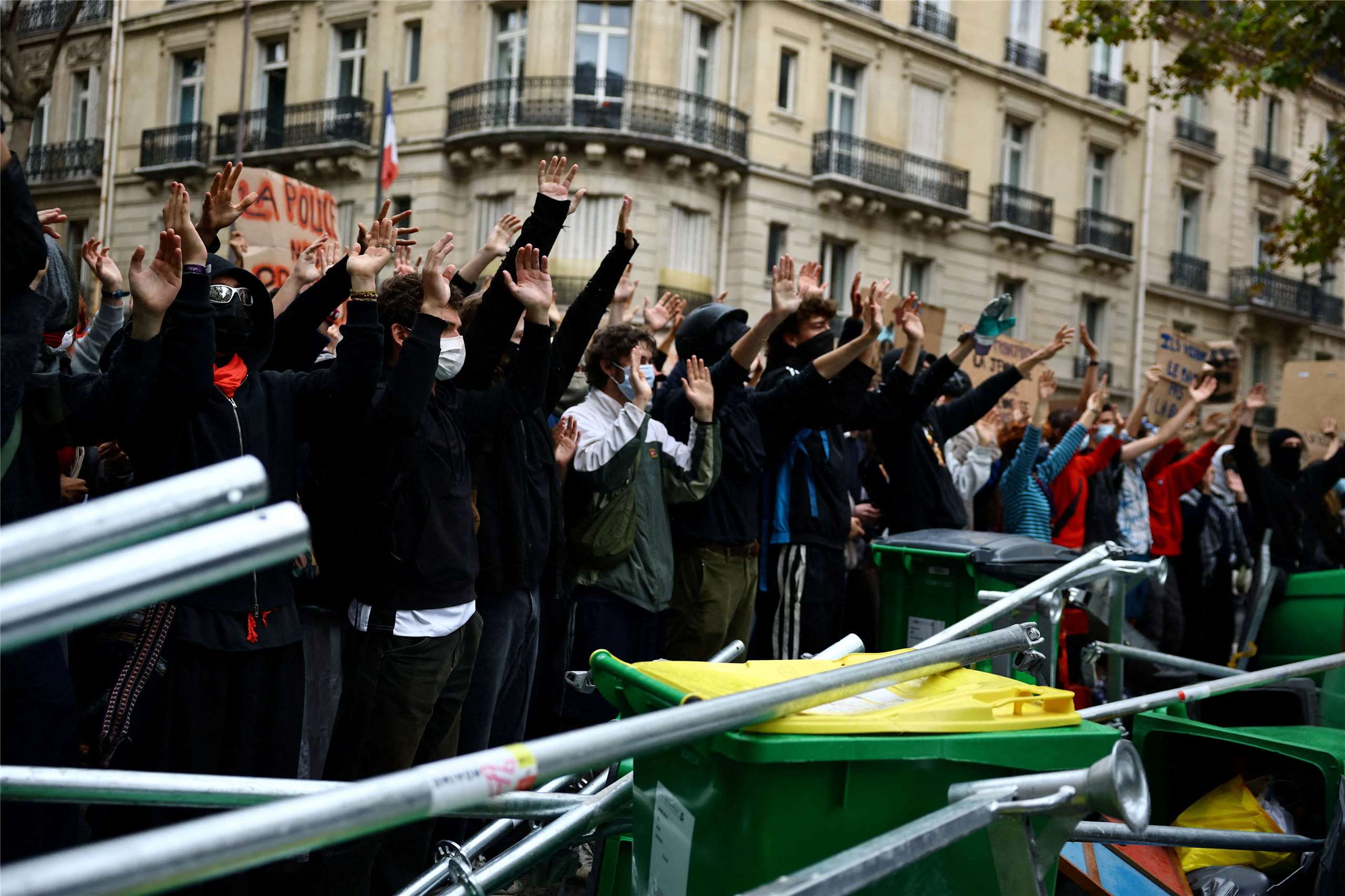
A protest movement initially led by French high school students in the suburbs of Paris in response to education inequality has since spread across France, with teachers, unions, human rights groups, and politicians joining the ranks. The movement could impact next year’s presidential election and poses a serious test for outgoing President Emmanuel Macron.
Protests began peacefully in disadvantaged areas of Seine-Saint-Denis, north of Paris, where students in poor communities are contending with inadequate education funding, dilapidated school facilities, and severe teacher shortages. A series of incidents saw students injured and bloodied, prompting accusations of police brutality from parents and other protestors and leading authorities to ban the use of stun grenades against student demonstrators.
While the movement started as a reaction to the education crisis, the involvement and support of unions and left-wing parties have added a political dimension. These groups are framing the demonstrations as part of broader public discontent with Macron’s administration.
Macron's decision two years ago to dissolve parliament and call early elections triggered a political crisis that rendered France’s governing camp unable to command a parliamentary majority; senior government posts have also turned over in rapid succession and the far right and far left have surged. Recent polls show far-right leader Marine Le Pen as the front-runner in the first round, followed by center-right former prime minister Édouard Philippe, with far-left Jean-Luc Mélenchon close behind, in a race where he is on the cusp of making the runoff.
As France will vote for their next president in April 2027, the way Macron handles the protests could have a major effect on election outcomes. According to the BBC, a leaked internal report written for the Paris police said students were incited by “far-left elements within student unions... and political groups such as France Unbowed.” France Unbowed, of which Mélenchon is the de facto leader, rejected the allegation.
Mélenchon, who is running for president for the fourth time, is courting the very demographic that initiated this wave of protests. Polls show he has roughly 40% support among French voters aged 18 to 24, especially in suburbs with high immigrant populations like Seine-Saint-Denis, so if Mélenchon can mobilize the youth vote, he could qualify for the runoff.
Per CNN, analysts say that the younger generation’s dissatisfaction with the centrist government could push votes to the far left or far right and that it remains uncertain whether France Unbowed will be able to convert that anger into votes. If violent clashes escalate, the far right could counter with narratives about public safety, immigration, and tougher security measures in an attempt to sway voters toward Le Pen’s National Rally.
In either case, the student protest movement is already creating a clear ripple effect. As various political camps jockey for next year’s presidency, the future of France may be in Gen Z’s hands.







 /