
 /
 Taiwan says communication with US remains open ahead of Trump-Xi talks
Search
Featured Programs


 News


 16/10/2025 19:50
 Editor:
Joey Chou


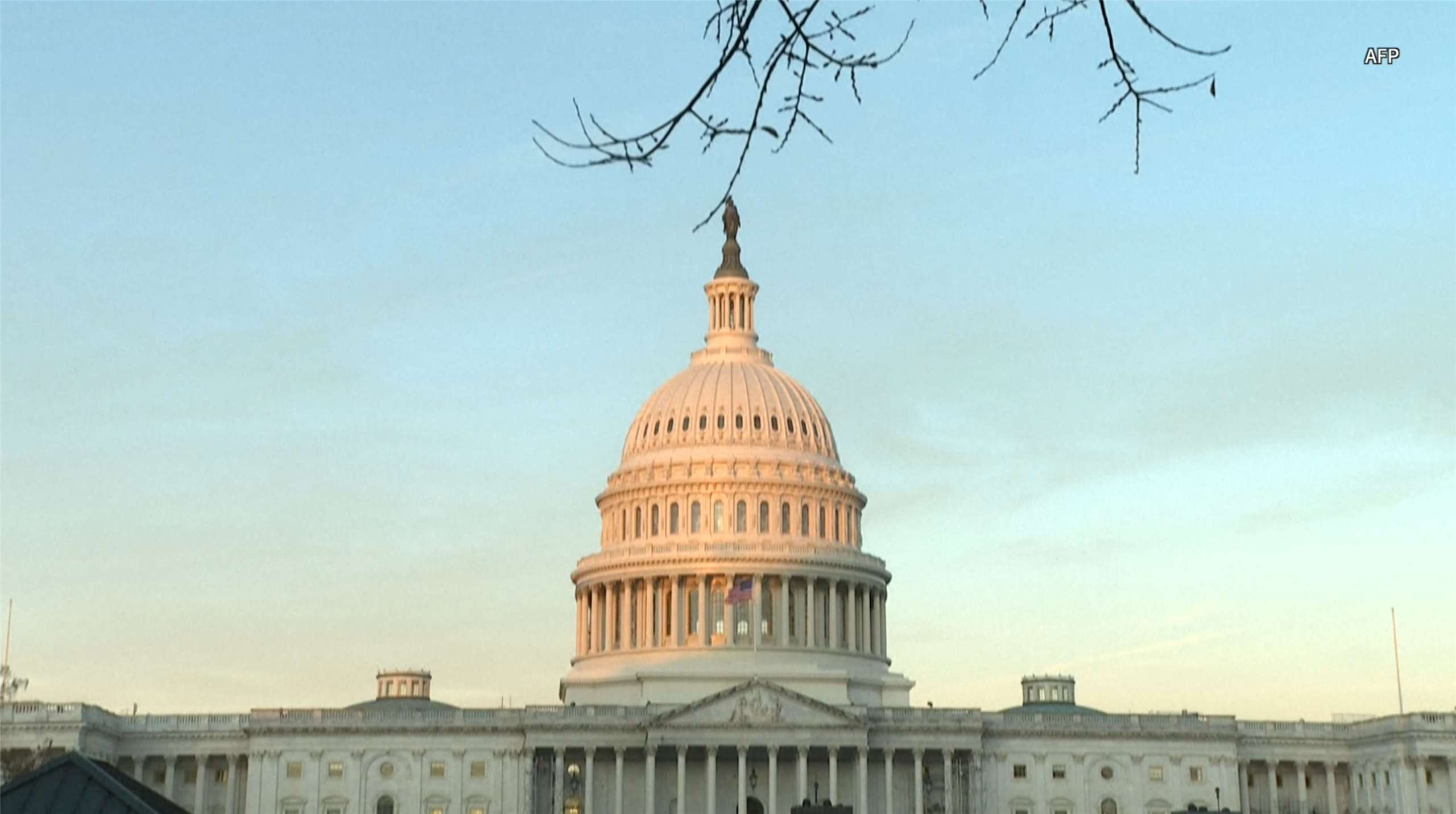
The U.S. Senate allocates US$1 billion in military aid for Taiwan and urges its participation in the world’s largest maritime warfare exercise.
https://youtu.be/8_iK94mjUWQ
The United States Senate has approved its annual National Defense Authorization Act (NDAA), authorizing about US$925 billion in military spending and “strongly recommending” that the Pentagon invite Taiwan’s navy to participate in the Rim of the Pacific (RIMPAC) naval exercises. The bill also expands U.S.–Taiwan cooperation in advanced defense technologies, including drones and cybersecurity.
The measure, led by Nevada Democrat Senator Jacky Rosen, includes the Taiwan Security Cooperation Initiative, which earmarks US$1 billion in military aid for Taiwan. It calls for the U.S. Department of Defense to collaborate with Taiwan on developing unmanned and counter-unmanned systems, strengthening cyber defenses, and assessing Taiwan’s digital infrastructure in the event of a blockade or invasion by China.
The NDAA “strongly encourages” the U.S. Secretary of Defense to invite Taiwan’s navy to join the biennial RIMPAC drills — the world’s largest multinational maritime exercise, hosted by the U.S. Pacific Fleet in Hawaii. The event brings together nearly 30 countries to enhance interoperability and safeguard freedom of navigation across the Indo-Pacific. If Taiwan is not invited, the Pentagon must submit a written explanation to Congress within 30 days.
The bill also directs the Pentagon’s Defense Innovation Unit to form partnerships with Taiwan’s defense and technology agencies, fostering collaboration between U.S. and Taiwanese companies in areas such as autonomous systems and defense manufacturing. It requires the submission of a “Taiwan Security Assistance Roadmap,” a long-term plan outlining Taiwan’s defense needs and the feasibility of establishing a regional contingency stockpile of military supplies.
Pennsylvania Republican Senator Dave McCormick said the legislation also incorporates the unanimously-passed Taiwan Non-Discrimination Act, which requires the U.S. to back Taiwan’s membership in the International Monetary Fund. McCormick, a former business executive and military veteran, said the NDAA strengthens both America’s defense readiness and its strategic commitment to Taiwan.
While the bill grants the authority to use funds, the actual appropriation of funds must still be determined through separate legislation. Having been approved by the Senate, the bill will now be reconciled with the House-passed NDAA before heading to the White House for President Donald Trump’s signature.