Search
Featured Programs


 News


 20/10/2025 19:17
 Editor:
Amanda Stephens


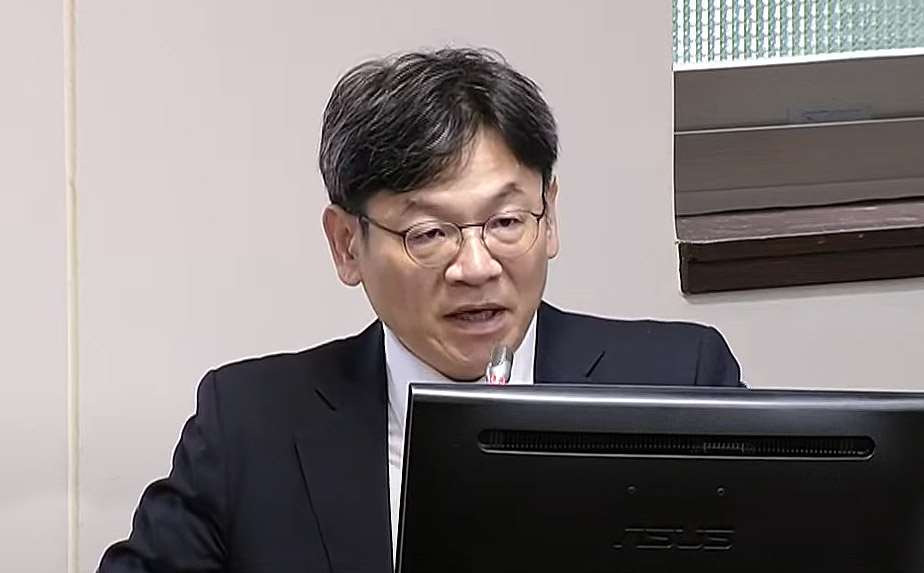
National Development Council (NDC) Chairman Yeh Chun-hsien (葉俊顯) presented before the Legislature on Monday on the current development of the AI boom, and what differentiates it from the dot-com bubble. Yeh underlined that as Taiwan is not carving out part of its industry, but simply copying it in a new location, there are far fewer risks to the overall industry.
Yeh notes in his presentation that, through the 10 new AI infrastructure initiatives, Taiwan will create over NT$15 trillion (nearly US$490 billion) in output value and 500,000 high-paying jobs by 2040, placing its AI capabilities among the top five globally.
KMT Legislator Hseih Yi-fong (謝衣鳳) noted that the market value of U.S. AI startups has reached US$1 trillion, but without generating relevant profits. She said this has led to market fears of a repeat of the dot-com bubble or even the 2008 financial crisis, but on an even more global scale.
However, Yeh says that, unlike in the dot-com bubble, many start-ups are directly creating AI applications, or “end products”. He also notes that Taiwan has a strong presence in AI hardware, while relatively lacking in software.
Addressing Vice-President Hsiao Bi-khim’s (蕭美琴) confirmation that Taiwan’s entire chip ecosystem, not simply TSMC, will be investing in the United States, Yeh says fears of a mass talent and industry relocation are unfounded.
Comparing this to the United States’ entry to the globalized economy in the 1980s, Yeh says a critical mistake the U.S. made was in carving out part of its manufacturing to be done by Southeast Asia. He notes that Taiwan’s approach is different; rather than carving out and relocating, Taiwan will be copying its current supply chain, while retaining manufacturing, especially critical and advanced manufacturing. Yeh says Taiwan will instead help the U.S. cultivate its own talent pool, rather than relocating the Taiwanese one.





 /