Search
Featured Programs


 News


 07/11/2025 16:27
 Editor:
Hanna Bilinski


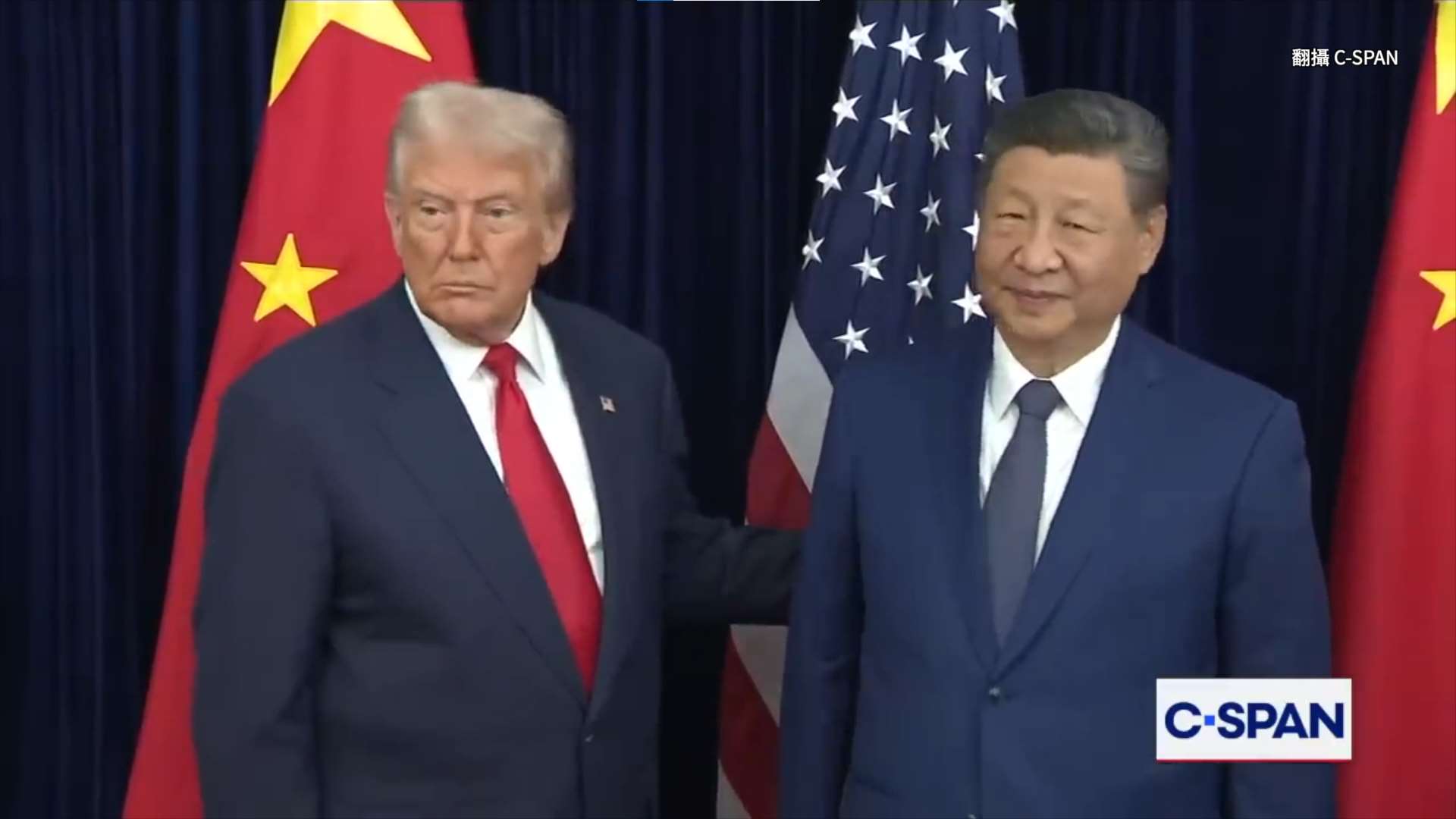
Trump and Xi met ahead of the APEC summit, reaching limited agreements like easing tariffs and resuming U.S. soybean purchases, but the core issues driving the trade war remain unresolved.
A much-anticipated meeting between U.S. President Donald Trump and Chinese President Xi Jinping (習近平) took place last Thursday, October 30, in South Korea ahead of the Asia-Pacific Economic Cooperation (APEC) summit. While the talks appeared to ease tensions in the escalating U.S.-China trade war, no major breakthrough was achieved. The two sides continue to maintain an overall competitive stance, with a long way yet to go before a comprehensive trade agreement can be reached.
Per Reuters, the two sides reached agreements such as China resuming purchases of U.S. soybeans and suspending rare earth export controls for one year, and the United States reducing tariffs on Chinese goods by 10%. Relations will roughly return to the state they were in prior to Trump’s “Liberation Day” declaration of reciprocal tariffs, while the root causes of the conflict remain unresolved.
Crucially, this round of talks did not address the core issues underpinning Trump’s tariff war, namely China’s industrial policy, manufacturing overcapacity, and its export-oriented development model.
Kurt Tong, former U.S. diplomat and managing partner at The Asia Group, told Central News Agency that the meeting helped calm tensions and foster an atmosphere for renewed negotiations. He added that it could lay the groundwork for Trump’s planned 2026 visit to China and Xi’s reciprocal trip to the U.S. later that year, which may open opportunities for policy shifts and business expansion.
Bonnie Glaser, managing director of the Indo-Pacific Program at the German Marshall Fund, said the most tangible result was that both sides agreed to withdraw the recent punitive measures they had imposed on each other. Yet she noted that no headway was made on deeper trade disputes, including Beijing’s subsidies and industrial overcapacity. On rare earth supplies, Glaser warned that China might again use its dominance in the sector as leverage.
Hanna Bilinski, Rti News




 /