Search
Featured Programs


 News


 25/02/2026 14:27
 Editor:
Amanda Stephens


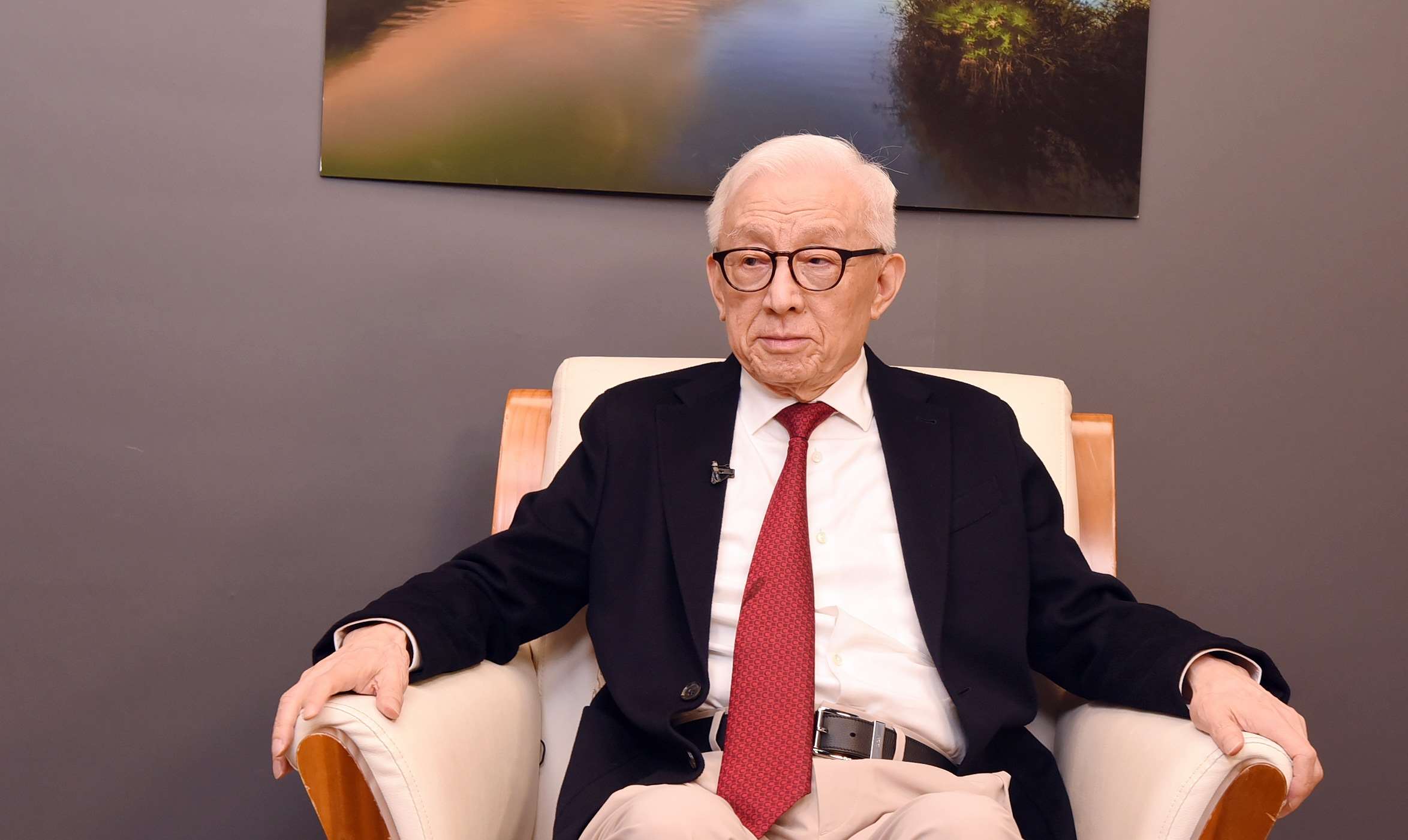
United Microelectronics Corporation Founder Robert Tsao (曹興誠) recently published an open letter on social media addressed to Chinese President Xi Jinping (習近平), emphasizing that aggression against Taiwan is a dead end. In a Radio Taiwan International interview, Tsao said that unification is aggression, that pursuing unification would lead to the CCP’s downfall, and that Taiwanese should be wary of the pro-China “virus” mindset.
In a nearly 6,000-word open letter he published on Facebook, Tsao outlined the many ways in which attacking Taiwan would lead to negative outcomes, pulling examples from Chinese history, international treaties, and corruption within the People’s Liberation Army (PLA). In an interview that coincided with the fourth anniversary of the Russia-Ukraine war, he noted what lessons the conflict offers Taiwan and China and further elaborated on the contents of his open letter.
He said that unification is aggression, likening it to a strategy from a bygone era, and calling it regrettable that the CCP still saw fit to apply such “ancient practices” in the modern day. He continued that pursuing unification with Taiwan would only lead to the collapse of the CCP as both a party and nation.
Comparing it to historical examples such as the collapse of the Qing dynasty 15 years after Qin Shi Huang unified the nation, Tsao said that invading Taiwan would be a repeat of history. He urged Taiwanese not to stand with China and to adopt a preventative approach, warning others to avoid associating with pro-China forces. “I said this letter is addressed to Xi Jinping, but it’s for the Taiwanese people. Don’t associate with sick people – there will be no good outcome,” he said, adding, “What Taiwan can do is warn everyone that this is a virus. Taiwan’s response to China is to use a preventative attitude and awareness.”
Tsao also compared it to the Ukraine conflict, saying “Today’s Ukraine is tomorrow’s Taiwan.” He said a major reason for Russia’s failed invasion was due to pro-Russian elements in Ukraine. This, he said, shows the importance of opposing pro-unification forces and, in Taiwan’s case, stamping out pro-communism sentiment and individuals.
Taiwan must strongly condemn pro-unification individuals, Tsao said, pointing to lawmakers and especially the DPP. Going forward, he said he hopes the DPP will not simply focus on elections but also on safeguarding Taiwan to not betray the trust of the Taiwanese public.




 /
 Experts say China spying case ‘tip of iceberg’ of Beijing’s transnational repression