Search
Featured Programs


 News


 18/03/2026 14:25
 Editor:
Eloise Phillips


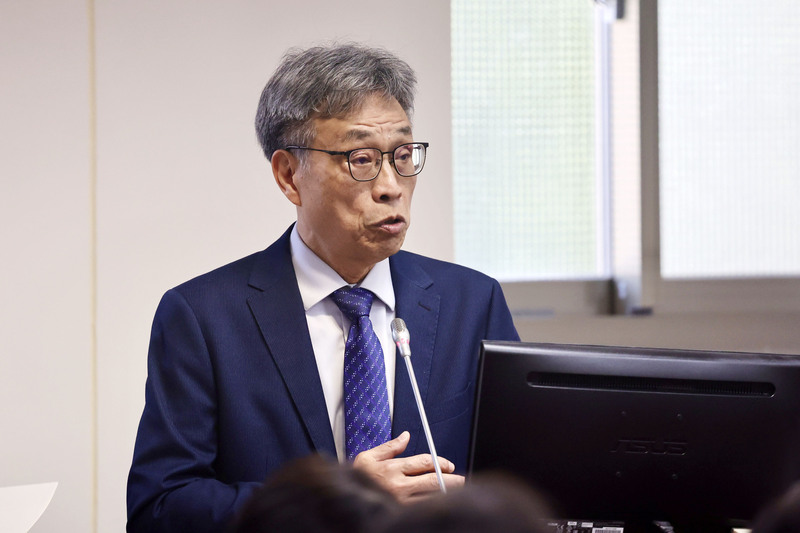
The escalating Middle East conflict, beyond impacting energy shipments, is also hitting global fertilizer raw material supplies. Agriculture Minister Chen Junne-jih (陳駿季) told lawmakers Wednesday that Taiwan’s fertilizer sources remain diversified, ensuring supply for the next 6 to 8 months with no issues. If the conflict drags on and prices rise, the ministry will coordinate with Taiwan Fertilizer Co. to stabilize costs and absorb any differences as needed.
During a legislative Economics Committee briefing and questioning, Chen addressed disruptions from U.S.-Israel strikes on Iran, now over two weeks long, affecting Hormuz Strait shipments of energy and chemicals.
In interviews and replies, Chen stressed that Taiwan isn’t reliant on the Middle East alone. Current inventories and en route shipments cover needs through August at least, or even December. He said, “The urea part, including nitrogen, phosphorus, and potassium, based on the current inventory and shipments already at sea to Taiwan, can probably be supplied until August, the potassium fertilizer until October, and the phosphate rock until December.”
If prolonged, shipping and costs will rise. Beyond new suppliers, the ministry and Taiwan Fertilizer Co. will negotiate price stability, as during COVID-19, when no-price-hike mechanisms absorbed differences.
Chen noted that past pandemic shipping disruptions were worse; Taiwan has experience and will monitor fertilizer sources plus ‘yellow staples’ – soybeans, wheat, corn – prices, implementing measures if needed.




 /
 Experts say China spying case ‘tip of iceberg’ of Beijing’s transnational repression