Search
Featured Programs


 News


 26/03/2026 18:01
 Editor:
Hanna Bilinski


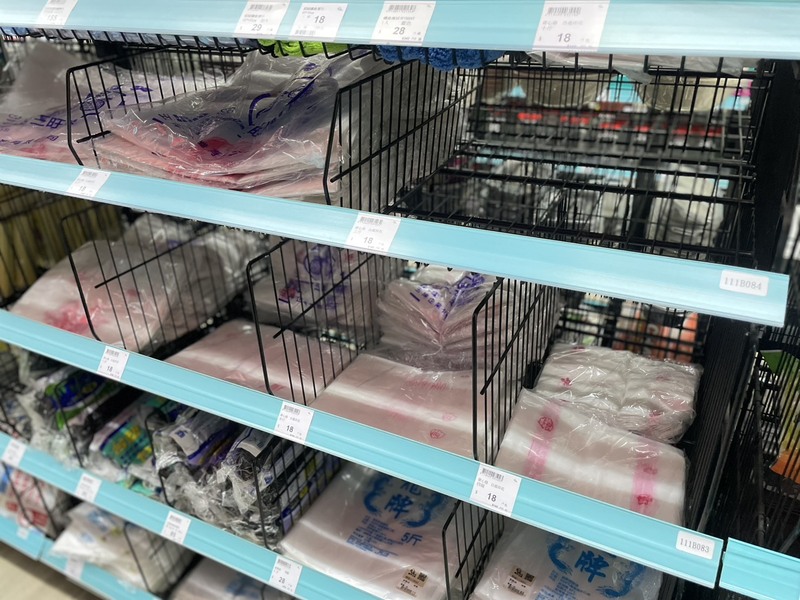
Disruptions to petrochemical supplies have driven up plastic prices and caused shortages, forcing Taiwanese businesses to limit or stop providing plastic bags while passing rising costs down the supply chain.
At the entrance of this restaurant in Taipei’s Neihu District, a sign reads “Please bring your own bag.” Escalating tensions in the Middle East are impacting the global petrochemical supply chain, which includes plastic products. As a result, plastic bag inventories are running low. The restaurant owner said their supplier hasn’t provided plastic bags for over two months now and estimates that current supplies will only last about a week.
Businesses typically go through one or two packs of plastic bags per day. But amid tight raw material supplies, they are now being treated not as disposable items but as valuable resources. Prices have also gone up by about 25 to 30 percent.
Some fruit wholesalers have introduced new policies requiring customers to meet a minimum purchase amount before receiving bags, while others no longer provide bags at all. The overall cost of packaging materials, including plastic containers, has risen by an average of 10 to 15 percent.
When it comes to premium agricultural products packaged in transparent containers, alternatives are limited. These hidden costs may trickle down to the consumer, and if plastic box shortages persist and fruit cannot be sold, farmers may also pay the price.
The ripple effects of the war are clearly reaching everyday industries downstream.
H for Rti News





 /
 Experts say China spying case ‘tip of iceberg’ of Beijing’s transnational repression