Search
Featured Programs


 News


 14/05/2026 16:40
 Editor:
Filip Leskovsky


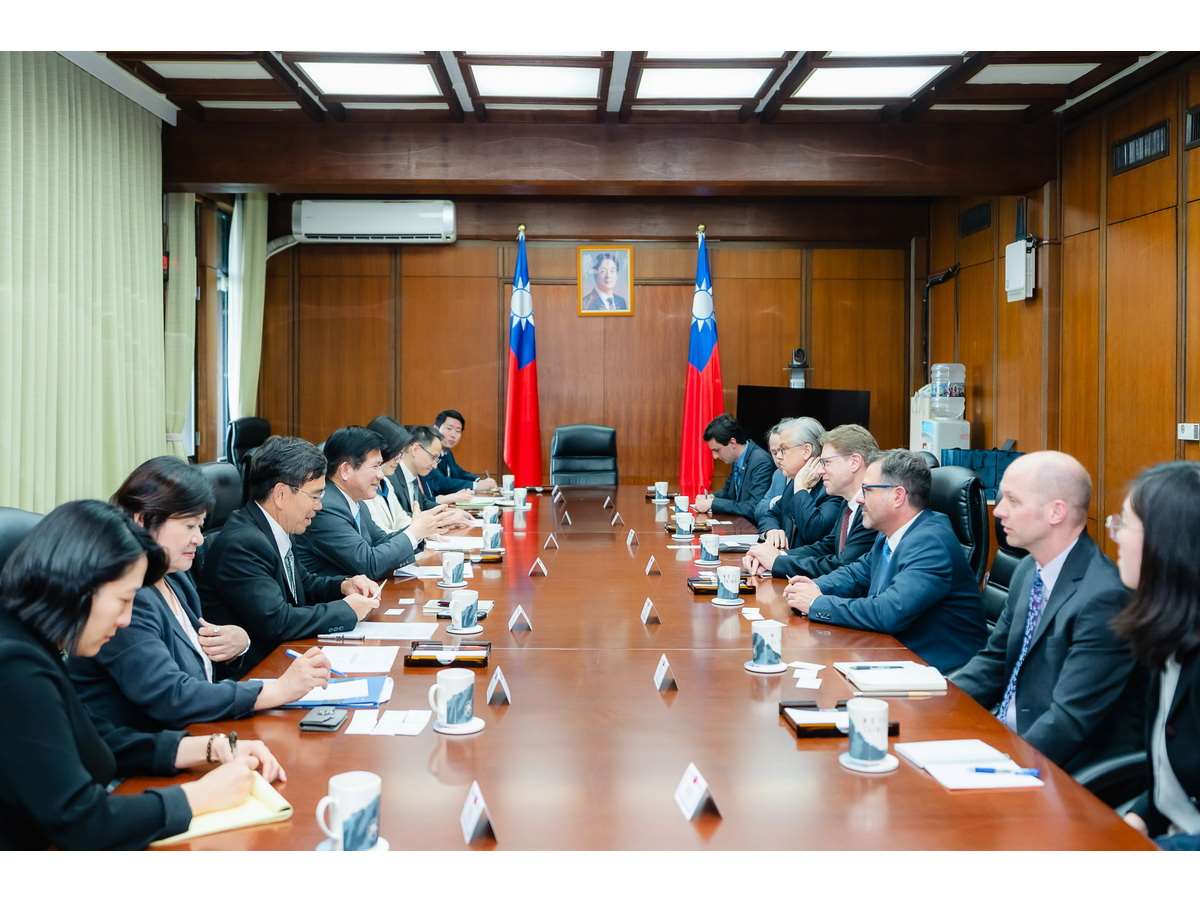
Geopolitics is undergoing dramatic changes, and emerging technologies are driving a transformation in diplomatic policy, Foreign Minister Lin Chia-lung (林佳龍) said Wednesday. Writing on social media after meeting a delegation from the U.S.-based National Bureau of Asian Research (NBR), Lin said the relationship between national and economic security is growing increasingly intertwined, urging Taiwan to leverage its semiconductor and AI advantages to expand diplomatic space through enhanced Taiwan-U.S. economic security cooperation.
Lin argued that as humanity enters the AI era, any emerging technology related to information, data, and computing power is closely tied to national security. This, he said, is accelerating the supply chain restructuring and the building of trusted, non-red supply chains among democratic nations. Taiwan’s strengths in semiconductors, AI servers, and ICT systems integration make it an indispensable partner for democracies. At the same time, the island’s position in the first island chain reinforces the global interest in cross-strait peace.
Lin noted that emerging tech is also reshaping commercial diplomacy. Under Taiwan's "comprehensive diplomacy" framework, Taipei has been actively promoting economic diplomacy through initiatives including a reciprocal trade agreement and investment memoranda with Washington. Lin also expressed hope to deepen ties with Central and Eastern Europe, Japan, and other like-minded countries.
Foreign Ministry spokesperson Hsiao Kuang-wei (蕭光偉) said, "In late January of this year, Taiwan and the United States jointly signed the Joint Statement on the Pax Silica Declaration and Taiwan-US Economic Security Cooperation. This progress helps both sides continue deepening economic security cooperation, to build a safe and resilient supply chain jointly."


 /