Search
Featured Programs


 News


 07/08/2026 13:40
 Editor:
Tomasz Koper


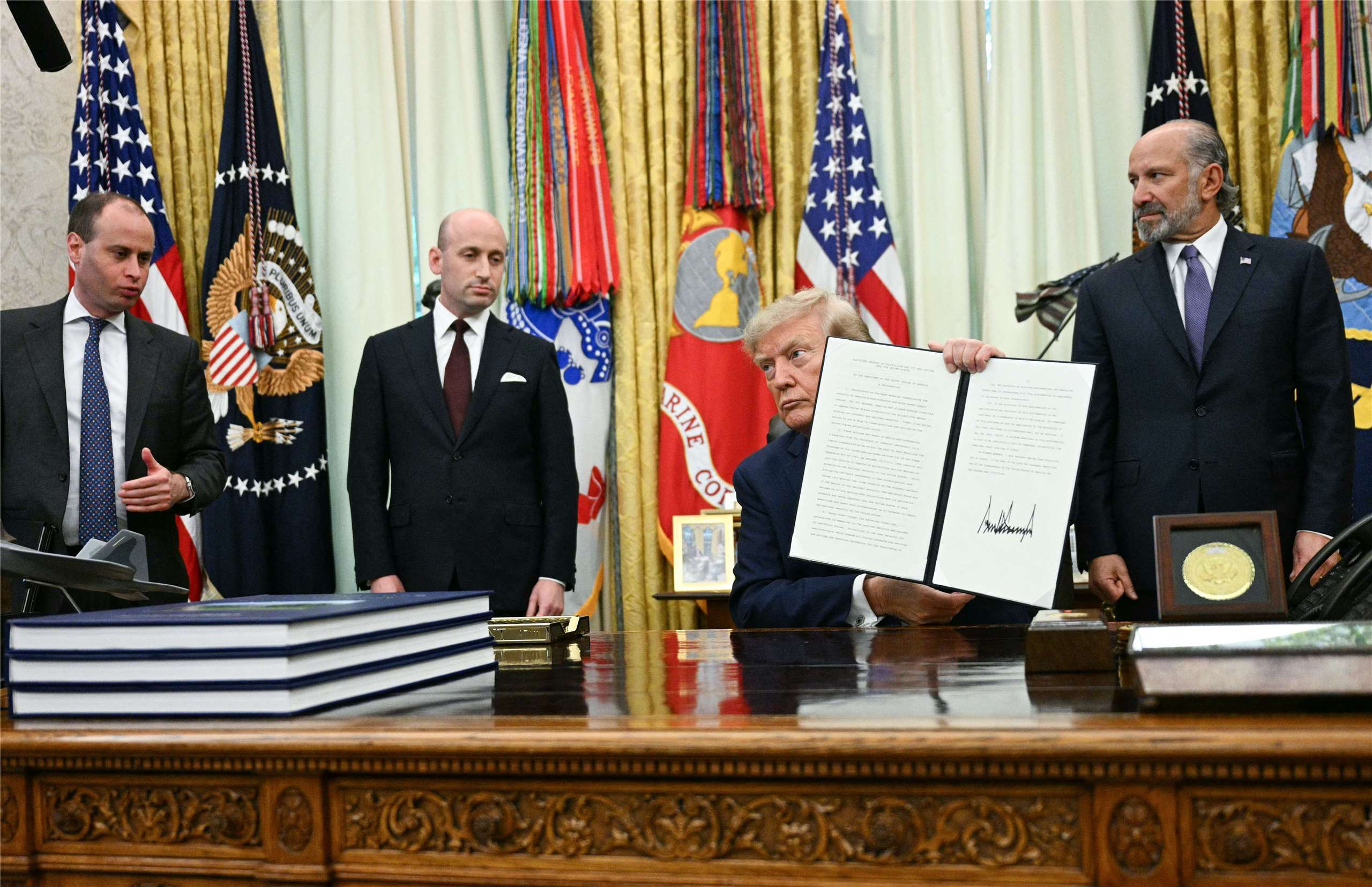
The United States will impose minimum import prices and 15 percent tariffs on polysilicon, a key raw material for semiconductors and photovoltaics, starting December 4, 2026. U.S. President Donald Trump signed an executive order introducing the new policy on Thursday, August 6.
The new tariffs will be applied on top of other import duties, taxes, and fees. However, total tariffs for polysilicon products from Taiwan, Japan, South Korea, and the European Union will be capped at 15 percent. The new scheme has been introduced to prevent Chinese polysilicon overcapacity dumping and tariff evasion through third-country assembly.
Liu Pei-chen (劉佩真) from the Taiwan Institute of Economic Research (TIER) said that U.S. polysilicon production capacity has fallen from 50 percent of the global total in 2005 to a single digit percentage today. She added that the U.S.’s multi-pronged approach aims to revive domestic production capacity and protect American companies, particularly given China’s high degree of control over polysilicon and silicon wafer production capacity.
Liu said that Taiwanese manufacturers in the polysilicon and silicon wafer sector, like GlobalWafers and Sino-American Silicon Products, mainly supply high-purity, high-spec electronic-grade silicon wafers. GlobalWafers has invested US$7.5 billion in the U.S. to establish a silicon wafer plant, which meets domestic production capacity requirements and presents an opportunity for tariff exemption. Liu assessed the impact of this new policy on Taiwanese manufacturers to be very limited. If Taiwanese manufacturers can avoid using Chinese polysilicon and instead switch to materials from Germany or Japan, they could actually stand to benefit from de-risking away from China and enjoy the advantages of participating in a non-red supply chain within the U.S. market.






 /
 Experts say China spying case ‘tip of iceberg’ of Beijing’s transnational repression