Search
Featured Programs


 News


 31/08/2026 18:47
 Editor:
Michelle Chiang


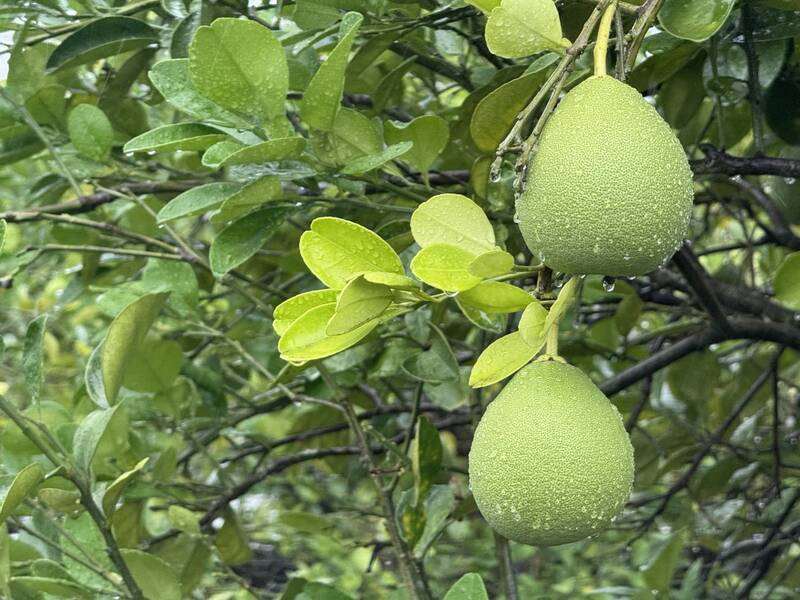
Taiwan’s Mainland Affairs Council (MAC) recently responded to China’s unilateral resumption of Taiwanese pomelo imports, stating that the move is merely unification propaganda packaged as a "Mid-Autumn Festival gift." The MAC details that only producers meeting political prerequisites and conditions can register, with no scientific inspection qualifications required.
The website of China’s General Administration of Customs currently lists 33 packing plants and 174 orchards in Hualien County eligible for registration. China’s Taiwan Affairs Office also says that it welcomes more high-quality Taiwanese products to be sold to mainland China, and they will continue to implement measures to benefit compatriots on both sides of the Taiwan Strait.
However, the Agriculture Ministry has reported that it has not received any notification from China regarding Taiwanese pomelos. The ministry urged China to consult with Taiwan through cross-strait quarantine and inspection cooperation platforms, in accordance with international trade norms.
Taiwan Association for Strategic Simulation associate researcher Huang Po-jui (黃柏叡) emphasizes that this move is a part of a multi-stage manipulation tactic that will continue until the next election cycle. He says that first, China opens business opportunities in agricultural counties governed by the KMT – as is the case with Hualien – and imposes differential treatment and barriers on those governed by the DPP. Then, observing whether the Lai administration crosses red lines on cross-strait relations or U.S.-related issues, China will potentially suspend cooperative projects or expand product embargoes.
Finally, he says that China will use social media, content farms, and other outlets to amplify narratives such as "central government suppresses farmers," "staged subsidies," and "shipping costs exceeding fruit prices." These messages, coupled with KMT mayors "taking to the platform to save the market," could negatively influence the DPP in the upcoming Taiwanese elections.
Huang states, “The Taiwanese central government will be held accountable because its political relations with China aren't good. Blame will fall on the central government for the negative impact on farmers. Also, China will attack Taiwan government efforts to curb the diversion of our markets through exports.” He underscored that, following these steps, KMT mayors may then take the initiative to engage in cross-strait exchanges to secure symbolic political deals to benefit their own election prospects.


 /