Search
Featured Programs


 News


 08/09/2026 16:26
 Editor:
Tomasz Koper


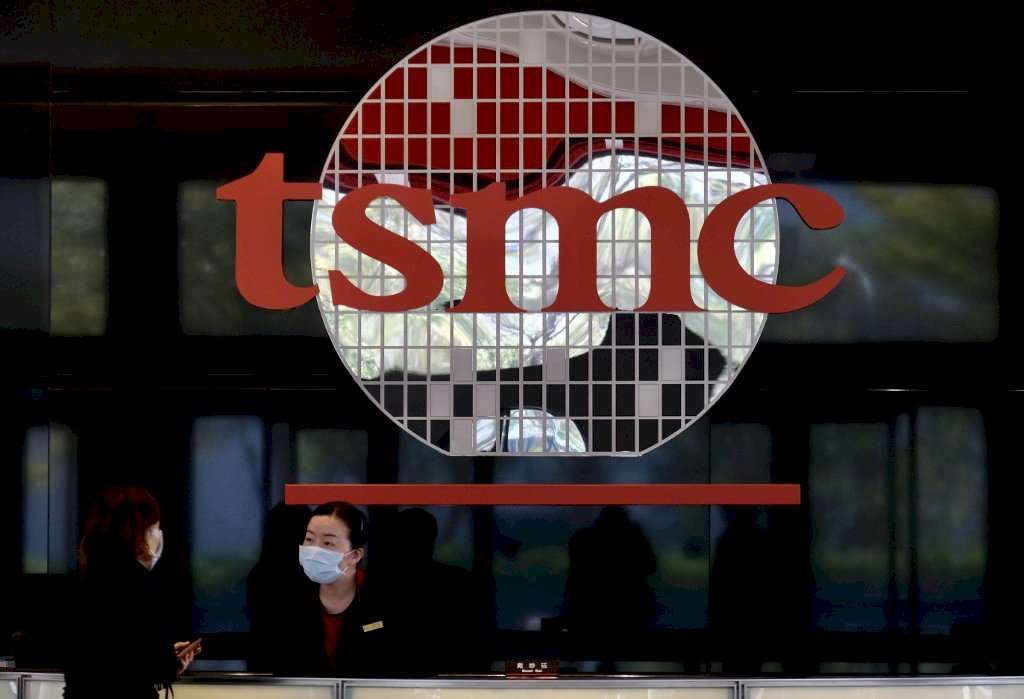
Despite Taiwan semiconductor manufactures’ overseas expansion projects, their production capacity remains heavily concentrated domestically, with as much as 83 percent of all production done at facilities in Taiwan. That is according to statistics from the Institute for Information Industry (III), reported by Radio Taiwan International’s Chinese news service on Tuesday, September 8.
III expects Taiwan’s domestic semiconductor production capacity share to fall to 79 percent by 2030, but remain dominated by advanced processes. Japan and the United States will account for around 5 and 3 percent, respectively. The institute said that besides advanced processes, advanced packaging and R&D will also remain centered in Taiwan, owing to the country’s comprehensive semiconductor ecosystem.
Edward Lin (林柏齊), an analyst from III’s Market Intelligence & Consulting Institute, said that due to U.S. President Donald Trump’s policies, the United States, Japan, and Taiwan need to cooperate on technology and R&D, with Nvidia playing a connecting role.
TSMC’s total investment in the United States is expected to reach US$265 billion, including a previous commitment of US$165 billion covering the construction of six fabs, two advanced packaging facilities, and one R&D center. The additional US$100 billion announced in July will add four new facilities in Arizona, which will allow for 2-nanometer and more advanced processes. At the same time, the company is building 13 additional fabs in Taiwan.




 /