Search
Featured Programs


 News


 16/09/2026 15:43
 Editor:
Tomasz Koper


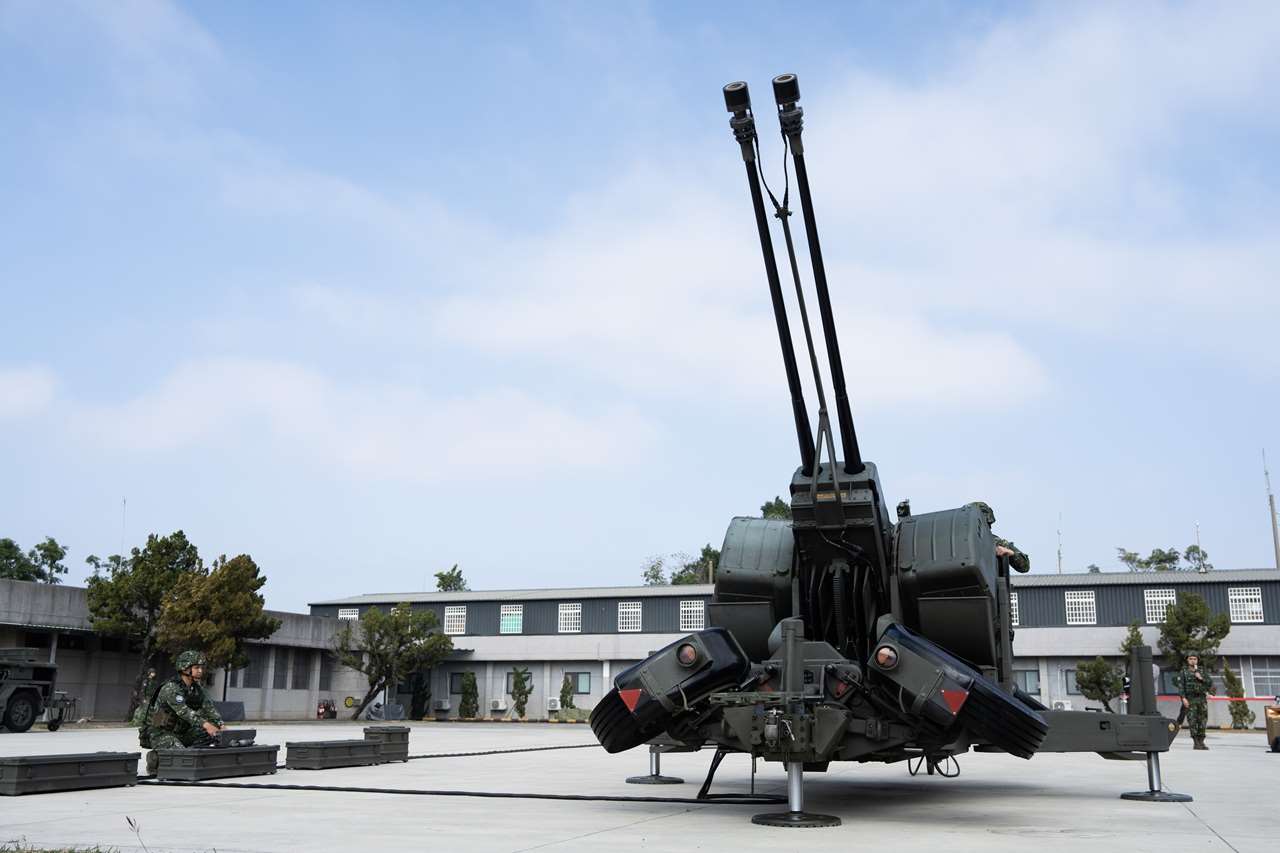
Taiwan’s armed forces will spend NT$1.68 billion (US$53 million) on training rounds for a 35 mm anti-aircraft gun, part of the Skyguard air defense system originally introduced over 40 years ago. The purchase suggests it will remain in service, potentially in an anti-drone capacity.
According to an announcement on the government’s electronic procurement platform, the Defense Ministry awarded the contract on Tuesday, September 15. The winning bid came from Germany’s Rheinmetall, a company which merged with Skyguard’s original manufacturer, Oerlikon Contraves.
Taiwan introduced the Skyguard air defense system in the 1980s, which at the time included fire control radars and 35 mm anti-aircraft guns, but was upgraded with AIM-7F Sparrow missile launchers in 1991. The gun was further replaced in 2009 with a newer model capable of firing AHEAD ammunition, alongside upgrades to fire control and optical sighting systems.
Institute for National Defense and Security Research’s (INDSR) Division of Defense Strategy and Resources Director Su Tzu-yun (蘇紫雲) believes that the decision to keep the system in operation reflects changes in the nature of modern warfare and the prevalence of uncrewed vehicles. He says it is able to intercept drones or low-altitude targets at a relatively low cost compared to a missile. Similar rapid-fire gun systems have proven highly effective against drone swarms in Ukraine.
Su said, however, that Skyguard’s radar and missile launch elements will likely be phased out, as upgrading them would be costly and bring few benefits. He suggested the Sparrow missiles will be eventually replaced by the Norwegian National Advanced Surface-to-Air Missile System (NASAMS).







 /