Search
Featured Programs


 News


 21/09/2026 18:04
 Editor:
Amanda Stephens


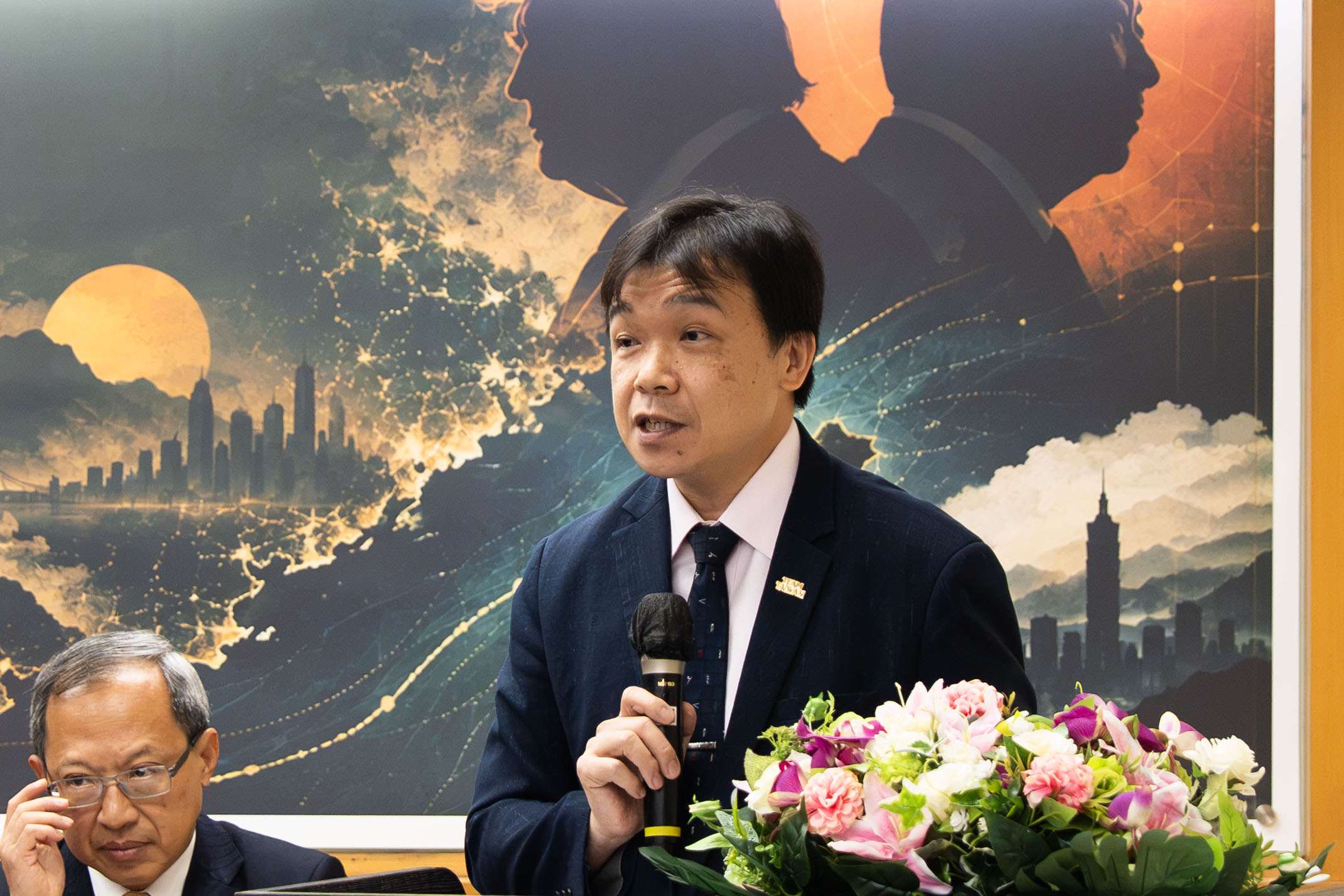
Mainland Affairs Council (MAC) Deputy Minister Shen Yu-chung (沈有忠) says the upcoming Trump-Xi meeting is unlikely to change anything in the Taiwan-U.S. relationship due to unresolved issues between China and the United States. He said the summit will likely focus on trade and economic issues, although officials may take the opportunity to spread pessimistic anti-American rhetoric in Taiwan.
U.S. President Donald Trump has planned to meet Chinese President Xi Jinping in Washington, D.C., on September 24. This would be the second time the leaders have met in 2026, attracting global attention and speculation. The Taipei-based think tank, the Cross-Strait Policy Association, held a forum in Taipei to discuss the possible outcomes of such a meeting, including changes to Taiwan-U.S. relations.
Speaking at the event, Shen said that according to current information, despite both sides claiming that the May summit was constructive, there are still deeper unresolved issues, including technology control and regional security.
He said that the ongoing effect of these issues, which are unlikely to be easily resolved, points towards no rapid changes in the current relationships between Taiwan, the United States, and China. In particular, he pointed out that the state of U.S.-China competition remains unchanged, especially in the areas of AI and trade, such as tariffs. The issues of trade and security, therefore, will probably be the focus of their discussions, and are unlikely to lead to a change in relationships.
Speaking on cross-strait relations and the Indo-Pacific region, Shen noted that Xi was likely to continue pressuring Trump and accuse Taiwan and Japan of being “troublemakers.” Based on the bipartisan feedback after the first summit, however, which unilaterally expressed a desire to leave Taiwan policy unchanged, the MAC deputy minister doesn’t see this having any substantial effect.
However, Shen warned of the chance that the CCP will take the opportunity to spread defeatist messages within Taiwan. Citizens and organizations should be on the lookout for messages attempting to divide Taiwan-U.S. relations and undermine public morale, such as spreading the narrative that the U.S. will “abandon” Taiwan. He said the government hasn’t ruled out that “anti-US” and “anti-Trump” narratives may even remain widespread in Taiwan local elections later this year.




 /