Search
Featured Programs


 News


 25/09/2026 19:03
 Editor:
Amanda Stephens


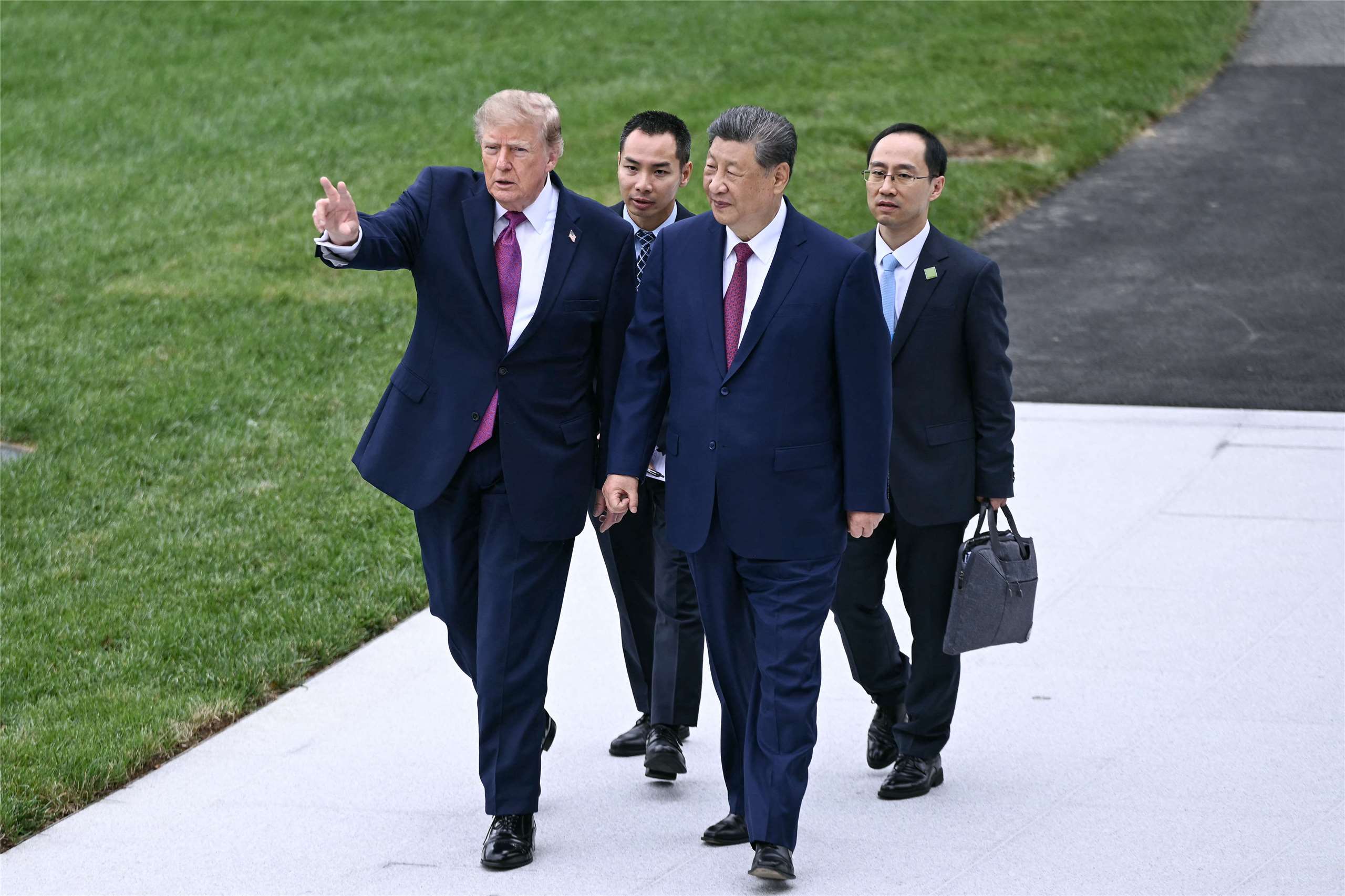
The second Trump-Xi summit of 2026 may change the temperature of U.S.-China relations, but is unlikely to lead to any change in Taiwan policy. That comes from national defense strategy expert and Kainan University Vice President Chen Wen-chia (陳文甲) on Friday, September 25, just one day after the two leaders met. Chen outlines a more likely outcome of the meeting being that both countries employ short-term solutions to ease tensions, without any substantive change to security cooperation frameworks.
Chinese President Xi Jinping (習近平) arrived in the United States for a 3-day state visit beginning September 23. U.S. President Donald Trump met Xi on the tarmac, with their meeting beginning after a welcome ceremony at the White House on Thursday. They are expected to discuss trade, technology, and the Indo-Pacific region, with many international onlookers curious to see whether arms sales to Taiwan are affected.
Speaking on the possible outcomes of the meeting, Chen said that both sides are more likely to look for short-term risk and competition management solutions rather than any form of big cooperative change. He noted that both sides are likely looking for a way to de-escalate tariffs and military friction, and conflicting views on technology controls. However, underlying problems such as power posturing, security dilemmas, and systemic distrust will probably affect talks.
Chen said Xi’s quote at his opening remarks in the White House, that “the Thucydides Trap can be overcome,” is noteworthy, and taken together with his announcement that China will gift two more pandas to the U.S., is a clear signal of goodwill and de-escalation. These, he said, clearly carry the message that the CCP wishes to keep competition within specific boundaries, and wants to avoid all-out conflict.
The Taiwan issue remains the most sensitive between both countries, Chen said. The CCP will inevitably continue to pressure the U.S. and demand that it reduce arms sales. However, given the United States’ strong institutional foundation for its Taiwan policy, reflected in both the Six Assurances and the Taiwan Relations Act, any long-term policy is unlikely to change.
He continued that, even if the current nearly US$14 billion arms sale to Taiwan is subject to review or delays, it should be seen as a change of pace rather than of policy. The big picture, Chen explains, is that while the newest Trump-Xi summit may change the temperature and speed of U.S.-China competition, it's unlikely to change the structure of it. In a similar vein, the long-term foundation of U.S.-Taiwan security cooperation will likely remain intact.



 /