Search
Featured Programs


 News


 29/09/2026 14:59
 Editor:
Hanna Bilinski


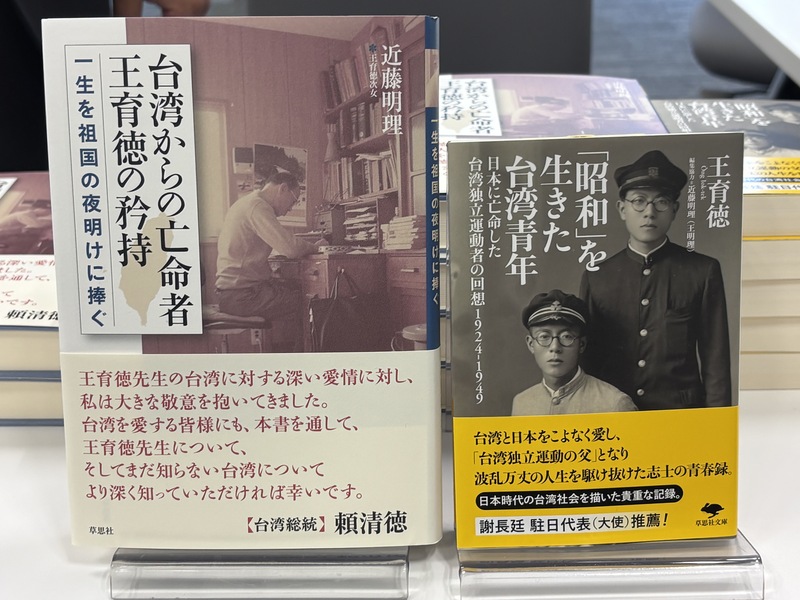
Meiri Ong Kondo (王明理), daughter of Taiwanese language scholar and Taiwan independence activist Ong Iok-tek (王育德), held a discussion and launch event in Tokyo this past Sunday for her new Japanese-language book about her father and his exile from Taiwan.
Ong faced the threat of arrest during the White Terror period and in 1949 was forced to leave his wife and daughter behind and secretly travel to Japan, where he lived under a false name. Drawing from family memories and historical materials, the book looks back on Ong’s life in Japan, including his work in Taiwanese language research, democracy and independence movements, and efforts to secure compensation for Taiwanese soldiers who served in the Japanese military.
With assistance from friends, relatives, and Japanese scholars, Ong eventually obtained legal residency and went to the University of Tokyo to study Taiwanese. He later taught at universities including Meiji University.
Meiri Ong Kondo said her father was only 61 when he died in 1985, just before he could witness martial law being lifted and Taiwan’s democratization. She was inspired to document her father’s legacy when her mother, Wang Hsueh-mei (王雪梅), lamented that no one remembered Ong anymore. It took her about three decades to finish writing the book.
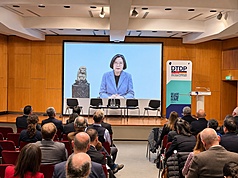
The launch event was jointly organized by the Taiwan Cultural Center in Tokyo and Soshisha Publishing. Former representative to Japan Koh Se-kai (許世楷) and Taiwan Cultural Center Director Tseng Chien-lung (曾鈐龍) were among those in attendance.
In his remarks, Koh highlighted the vivid writing of the book and how it enables readers who did not experience this period in history to understand the kind of work Taiwanese people were carrying out in Japan. Tseng added that the center has invited Ong’s granddaughter, Kondo Aya (近藤綾), to establish a Taiwanese language course; the course could open as early as November this year.
Tseng said that just as Ong devoted himself to Taiwanese language research in Japan, his granddaughter would now teach Taiwanese in Japanese, symbolizing the passing of that mission from grandfather to the next generation. Aya said she hopes to help cultivate more teachers who can explain and teach Taiwanese, ensuring that all Taiwanese people can retain and transmit their own culture and language.




 /