Search
Featured Programs


 News


 05/10/2026 15:49
 Editor:
Tomasz Koper


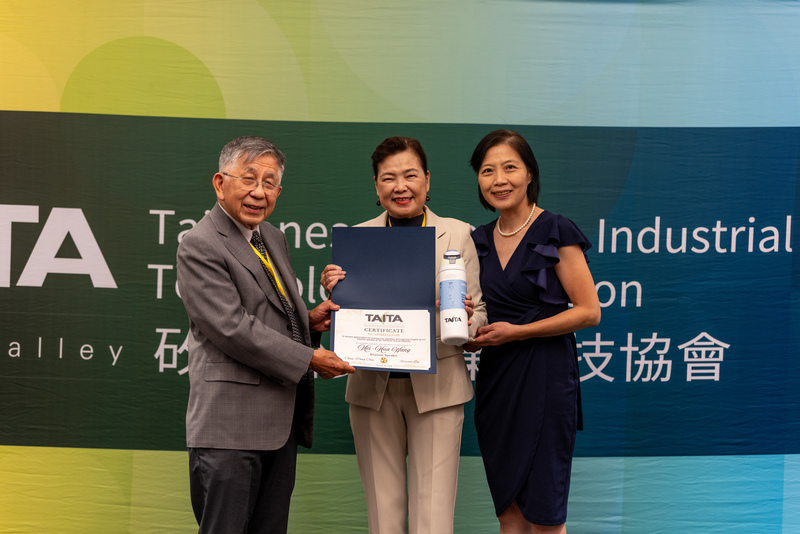
According to a Central News Agency (CNA) report dated October 4, former Economic Minister Wang Mei-hua (王美花) was invited to speak at the annual meeting of the Silicon Valley Taiwanese American Industrial Technology Association (TAITA) on Saturday, October 3. She said that the consensus in Taiwan is that TSMC’s overall fab construction plans in the United States are likely to be completed after 2034.
Wang shared her perspectives on the opportunities and challenges facing Taiwan within the global AI and technology landscape. She noted that the China containment policy of Donald Trump’s first administration encouraged Taiwanese businesses to return and invest in Taiwan. This allowed them to secure land, build factories, and then quickly expand production when demand for AI hardware surged.
Wang said that Taiwan, Japan, South Korea, and the United States in the leading role, are now the most important players in the global AI industry, doing business together worldwide. China, on the other hand, remains outside of this ecosystem. She told tech professionals in attendance that Taiwan and the U.S. are now inseparably linked. She added that the cooperation will only continue to deepen, shifting from a division of labor between hardware and software toward an integration of the two.
Wang noted that within the tightly interwoven tech supply chain, Taiwan’s efficiency in factory construction is extremely high. She said building a fab in Taiwan takes roughly 9 to 10 months, while building a fab in the U.S. still takes approximately two years, even with accelerated construction speeds. She added that Taiwan’s efficiency is roughly matched only by Japan’s.
Wang said that the consensus in Taiwan is that TSMC’s overall fab construction plans in the U.S. are likely to be completed sometime after 2034.
Wang also identified risks and challenges for Taiwan’s tech sector. She said AI development faces issues including competition among models, supply chain shortages, rising borrowing costs, power bottlenecks, and cybersecurity concerns. She added, however, that AI infrastructure development is “irreversible,” and that Taiwan’s supply chain will continue to grow.


 /