Search
Featured Programs


 News


 06/10/2026 18:48
 Editor:
James Thompson


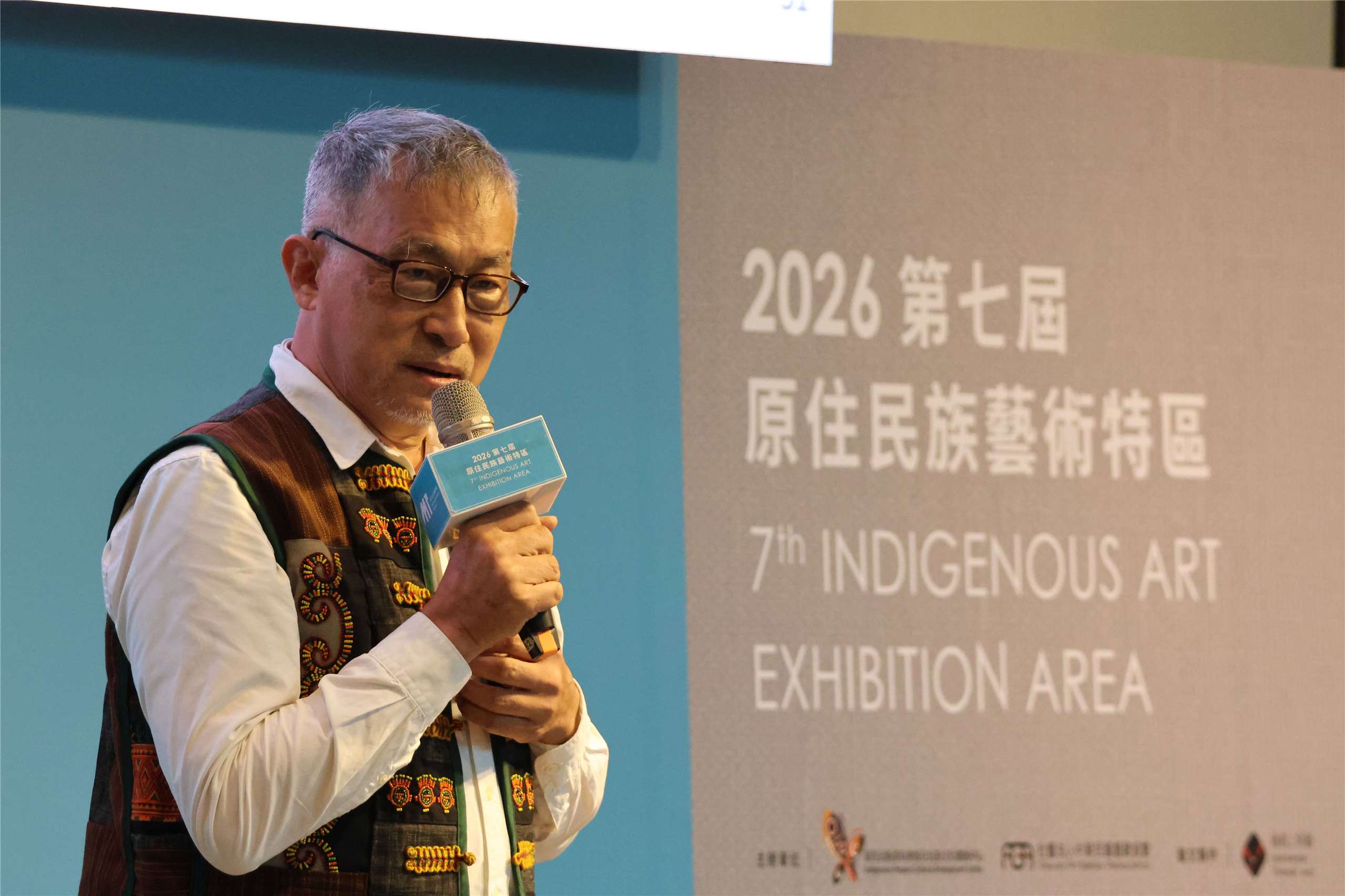
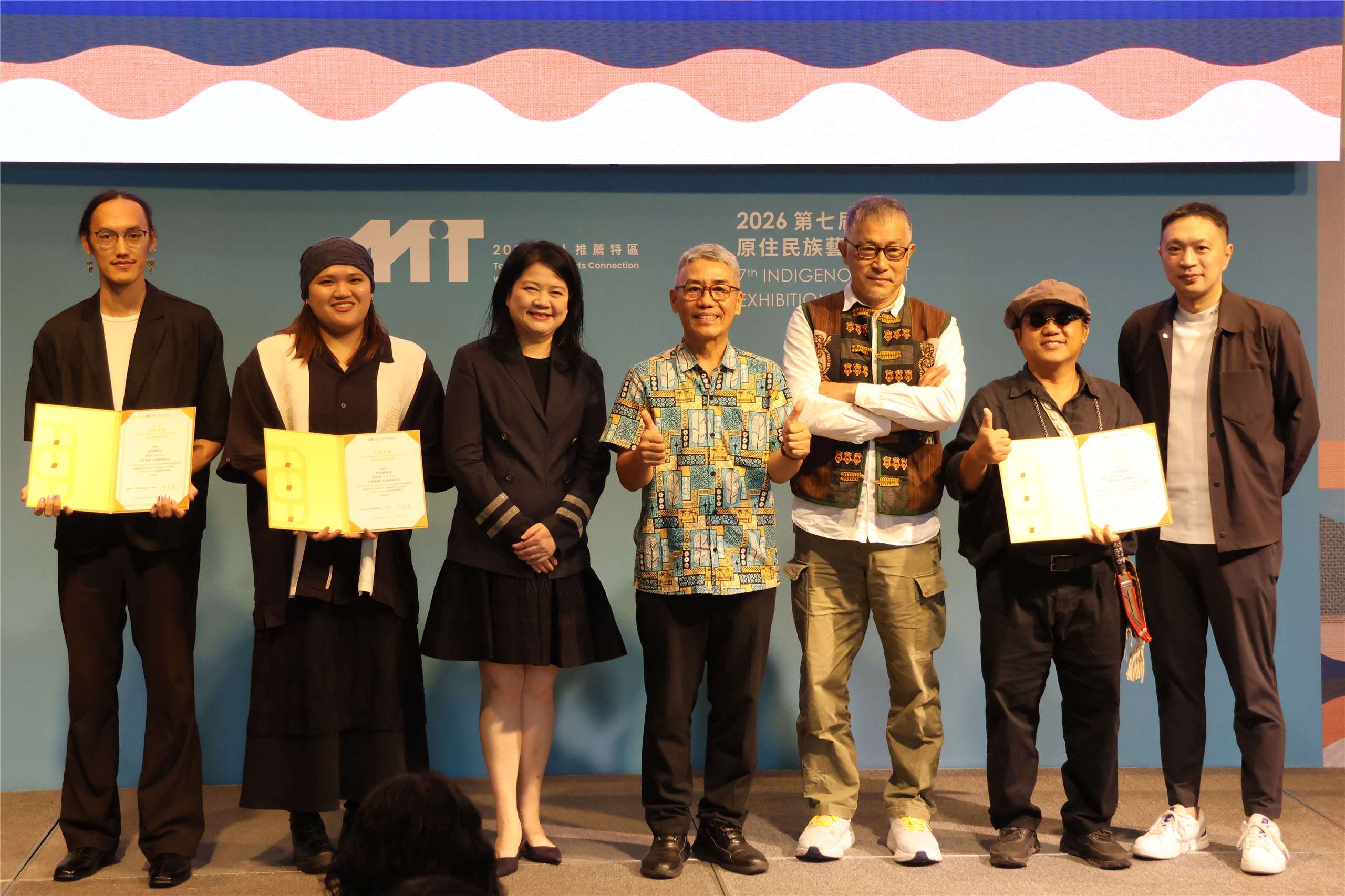
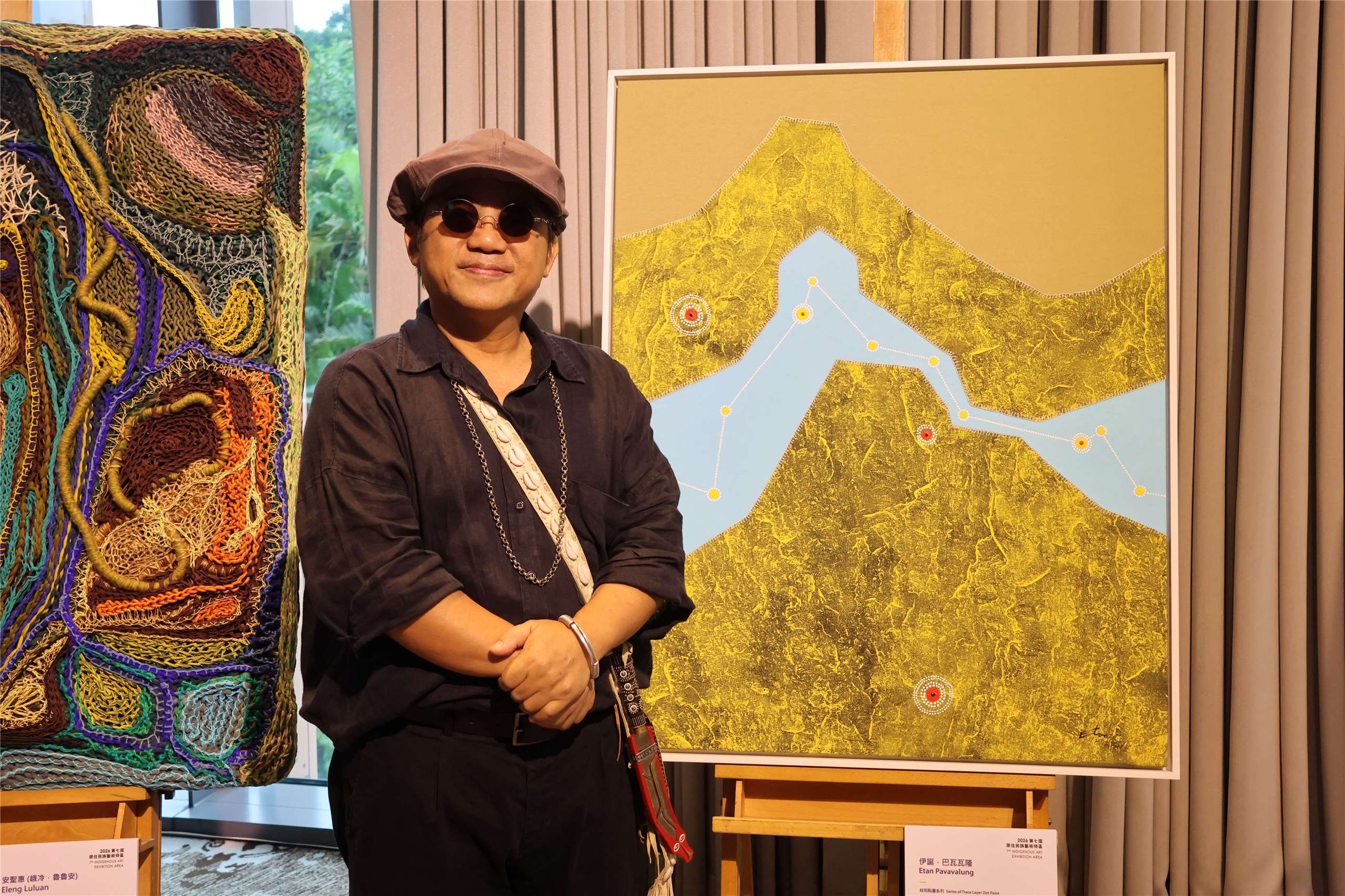
Taiwan’s Culture Ministry has unveiled this year’s Indigenous Art Exhibition Area for the 2026 Taipei International Art Fair, also known as Art Taipei. Curator Manray Hsu (徐文瑞) said that the section — which features four artists from Taiwan’s Paiwan, Rukai, Bunun, and Siraya peoples — aims to move beyond stereotypical ideas of Indigenous art by presenting different generations and life experiences.
Speaking to Rti in an interview at a press conference in Taipei on Tuesday, October 6, Hsu explained that some artists have stronger roots in tribal communities while others have been more influenced by urban environments and technology.
One example is Siraya artist Tuan Mu (段沐). Hsu said Tuan left his community in Tainan as a child, grew up in high-tech Hsinchu, and later attended art school, while participating only marginally in his community’s cultural revival. The Siraya people were officially recognized as an Indigenous group earlier this year.
Hsu said Tuan’s work reflects his life experiences. One piece incorporates Tang-dynasty-era Chinese calligraphy and generative AI to explore change, including cultural assimilation and the shift from non-written to written culture.
By contrast, Bunun artist Ali Istanda (胡家瑜) grew up in a tribal community before studying art in Kaohsiung, Hsu said, and her work blends formal printmaking techniques with Bunun legends and the landscape around her community.
Hsu suggested those contrasting experiences show why Indigenous art cannot be reduced to a single idea.
“What is most worrying is that once we label something as Indigenous, it becomes very easy to project a kind of stereotype onto it,” Hsu said. “That is what we need to avoid as much as possible.”
The exhibition area will run from October 30 to November 2 at the Taipei World Trade Center.


 /
 Listen