Search
Featured Programs


 News


 12/10/2026 17:13
 Editor:
Michelle Chiang


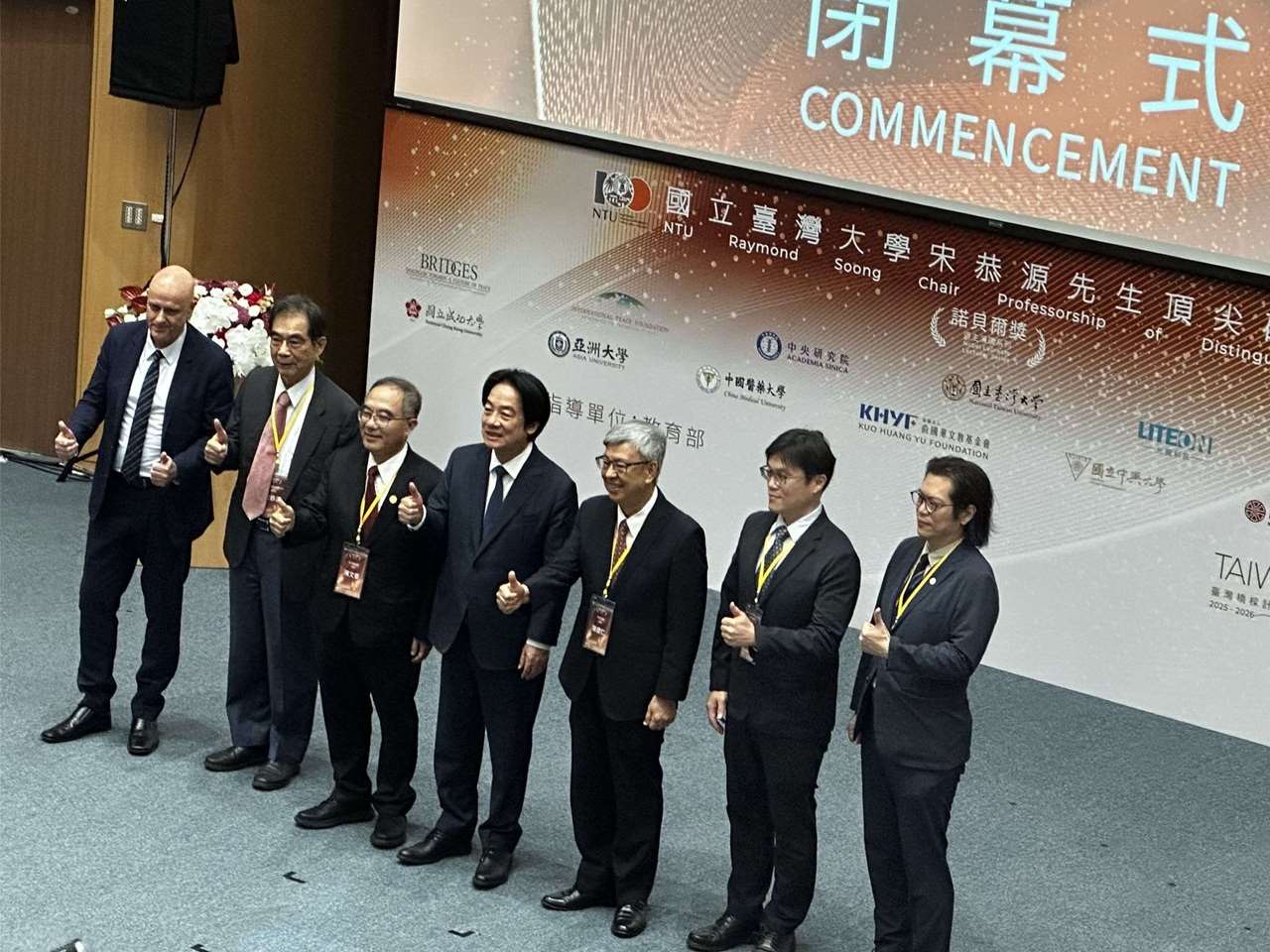
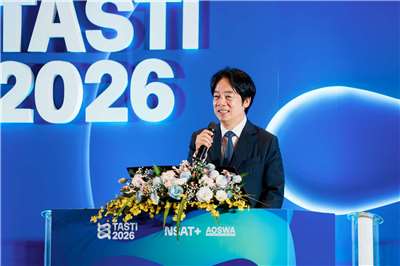
The Taiwan Bridges program, which linked 12 academic and research institutions in Taiwan with over 30 Nobel laureates, concluded on Monday, October 12, at the National Taiwan University. President Lai Ching-te (賴清德) attended in person and affirmed the program's role in building cross-generational connections of knowledge and peace, making Taiwan a crucial hub for global cooperation and talent exchange.
Through inter-institutional, interdisciplinary, and international cooperation, the program aimed to foster knowledge exchange and academic dialogue, deepening connections with the international academic community.
The president spoke at the closing ceremony, saying that last year he proposed a vision that Taiwan should produce at least three more Nobel laureates in physics, chemistry, and medicine within 30 years. To achieve this goal, he said the government will continue expanding joint research with world-leading academic and research institutions, turning one-off encounters into long-term talent exchanges.
Lai Ching-te stated, "I also firmly believe that a free academic environment encourages curiosity, and a democratic society encourages dialogue. In the future, Taiwan will become a vital hub for global knowledge and talent exchange; Taiwan will use its scientific, educational, and democratic strengths to work with the world to pursue peace, prosperity, and a better future for all humanity."
Academia Sinica President Chen Chien-jen (陳建仁) underscored that many important scientific breakthroughs stem from exchanges between researchers from different fields, countries, and generations. He said that he believes the most significant aspect of the Taiwan Bridge Project was its ability to truly establish connections between people and research projects through exchange.


 /