Search
Featured Programs


 News


 14/10/2026 11:36
 Editor:
James Thompson




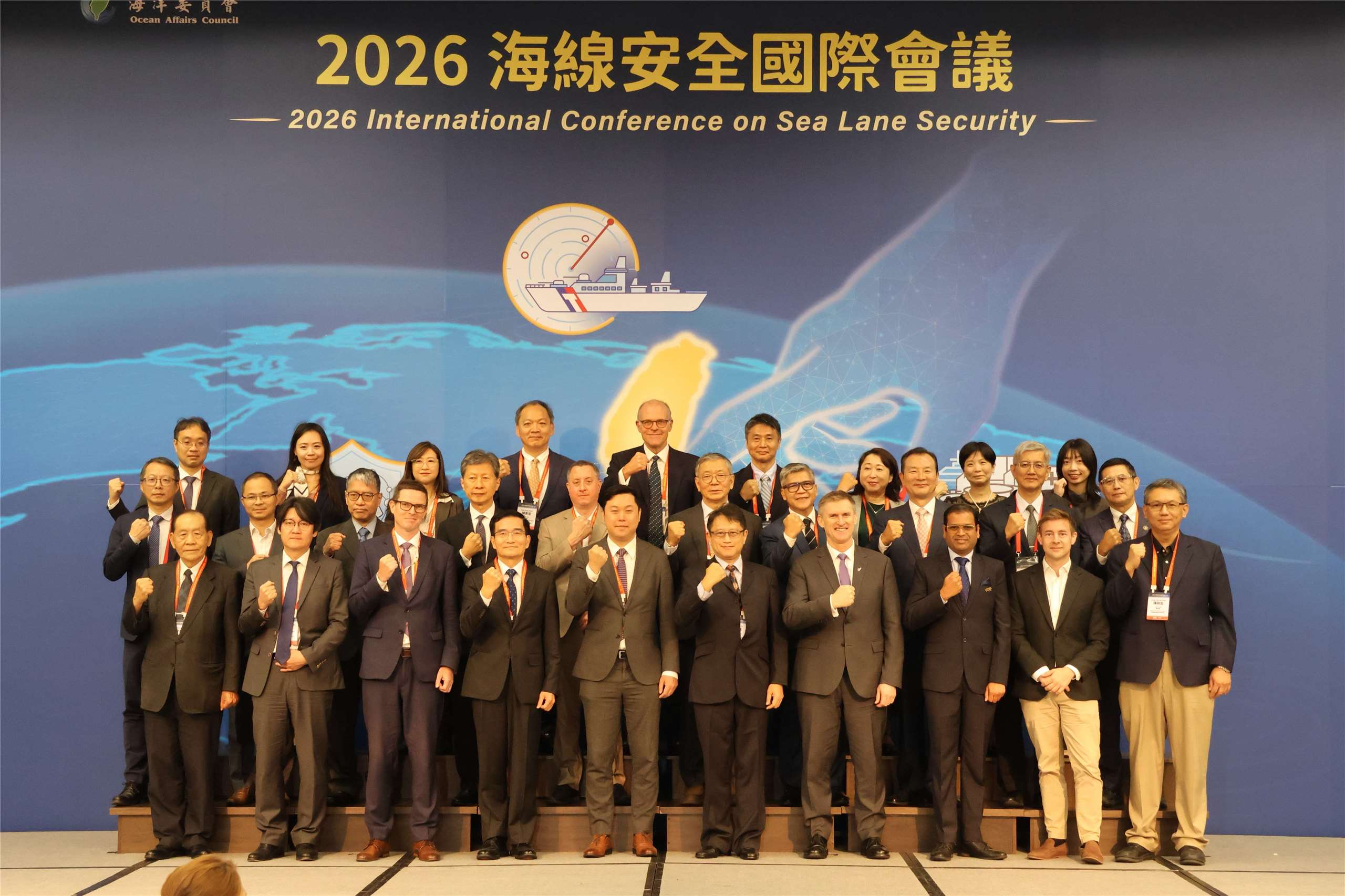
China's gray-zone strategy against Taiwan is "hollow" because it relies on political concessions rather than military conquest, retired U.S. Navy Admiral Dennis Blair said Wednesday, October 14. The former leader of the U.S. Pacific Command made the remarks at the International Conference on Sea Lane Security in Taipei, organized by Taiwan's Ocean Affairs Council.
"China's strategy is hollow. It depends on the surrender of Taiwan without actual conquest. It depends on Taiwanese concessions," Blair said via video link during his keynote address.
Blair likened China's approach to medieval European siege warfare, a method aimed at convincing a surrounded city to surrender before its defenses were breached.
The former senior Navy admiral explained that while it is possible to physically occupy and fortify disputed territory on land, this isn’t the case at sea. “China's current gray-zone strategy is designed not by sailors, but by soldiers, and soldiers simply do not understand the maritime environment," he said.
Blair, who spent five years as a senior mentor for Taiwan's annual Han Kuang military exercises, went on to say that temporary Chinese military and paramilitary deployments in waters around Taiwan do not alter the underlying wartime military balance. He warned, however, that “Taiwan must be alert to a possible Chinese attempt to attack from an exercise posture.”
Blair also urged Taiwan to counter China's gray-zone pressure through close monitoring of Chinese activities, selective enforcement of maritime regulations based on a prioritized threat assessment, and a more active public diplomacy campaign.







 /
 Listen