Search
Featured Programs


 News


 15/10/2026 16:38
 Editor:
Eloise Phillips


Taiwan’s planned purchase of liquefied natural gas (LNG) from an Alaska pipeline project could strengthen the island’s energy resilience and help narrow its trade surplus with the United States, according to U.S. analysts.
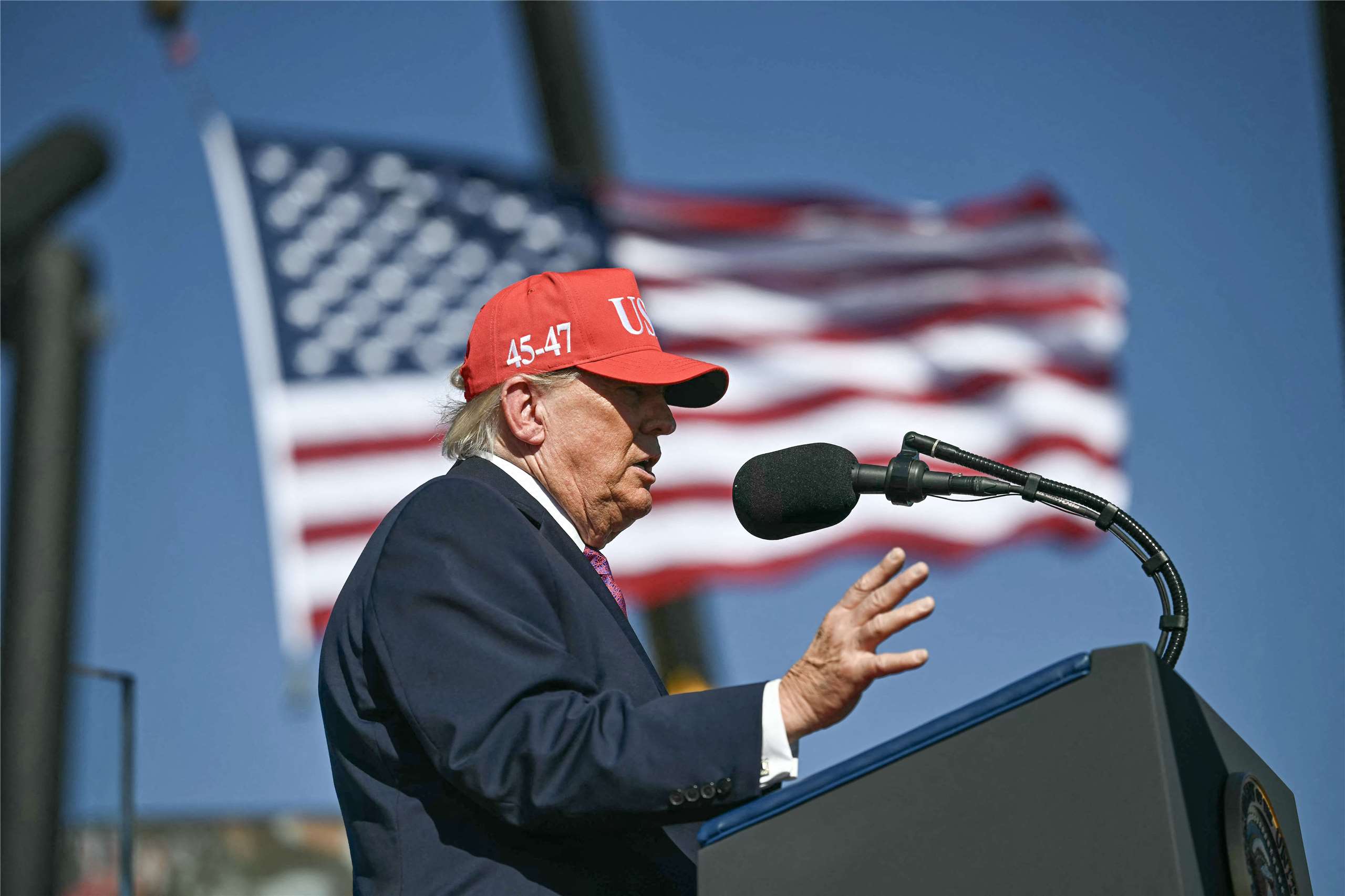
President Donald Trump said at an Alaska rally Tuesday that Taiwan had agreed to buy 30% of the project’s gas for 20 years and invest an additional US$4.4 billion. He reiterated this point Thursday in a post on his social media platform, Truth Social.
Taiwan’s Economic Ministry said that since signing a letter of intent in March 2025, state-owned CPC Corporation has made significant negotiations with U.S. developers. Under the current plan, it would purchase 6 million metric tons of LNG annually once production begins, and invest up to US$4.4 billion in the project’s development.
Michael Cunningham, a Senior Fellow at the Stimson Center, said the arrangement would benefit Taiwan, the United States, and bilateral ties. If implemented, he said it would strengthen Taiwan’s energy resilience and reduce its trade surplus with the U.S., “which is something Washington is very concerned about.”
According to statistics from Taiwan’s Finance Ministry, Taiwan’s trade surplus with the U.S. is estimated to be approximately US$150.1 billion in 2025.
Cunningham emphasized that such purchases would raise Taiwan’s importance as an American customer, stating that the more important Taiwan’s position is in the U.S. export market, the more the U.S. is willing to ensure Taiwan’s security. With exports not expected to begin until 2031, he believes Trump’s 20-year procurement timeline means Taiwan “will maintain a key position until the 2050s,” at least for this project.
Riley Walters, a senior fellow at the Hudson Institute, said Taiwan’s commitment to buy about one-third of output could help ensure the pipeline’s profitability, particularly after South Korea raised concerns about the project’s commercial viability.
If the project proceeds as planned, it could begin supplying Taiwan’s domestic gas market as early as 2032.





 /