Search
Featured Programs


 News


 22/10/2026 16:52
 Editor:
Tomasz Koper


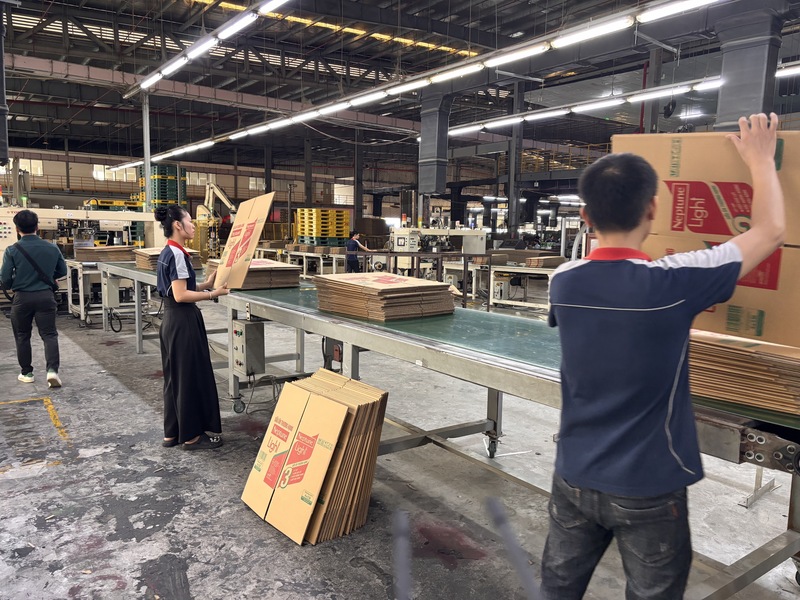
Taiwan’s Central News Agency (CNA) reported on Thursday, October 22, that foreign-funded factory expansion and a generational shift in job preferences are creating a serious structural labor gap in Vietnam. Mature AI technology from Taiwan is helping Taiwanese businesses break through the labor bottleneck.
Vietnam is one of the biggest beneficiaries of the “China Plus One” global supply chain diversification trend. However, its labor market is under the dual pressures of structural labor shortages and insufficient technical talent.
According to Vietnamese government statistics, the minimum wage in big cities such as Hanoi and Ho Chi Minh City rose from VND3.1 million (US$120) in 2015 to VND5.31 million (US$205) in 2026, an increase of 71% over 11 years. The country has a population of over 102 million and does not lack workers in absolute terms, but manufacturers in certain regions struggle to hire. The number of factories in industrial areas has surged, causing intense regional competition for workers. Additionally, younger workers are turning away from high-intensity, repetitive assembly line jobs to more flexible career paths.
Council of Taiwanese Chambers of Commerce in Vietnam Vice President Lin Xuanjie (林軒節) said many Taiwanese and other businesses are now turning to automation to overcome hiring challenges. Vietnam is experiencing a construction boom, which created a labor gap of about 20 percent. The training of local engineers, automation maintenance technicians, and managers lags far behind the pace of industrial expansion. Vietnam’s population is also beginning to age, worsening the structural labor shortage.






 /