Search
Featured Programs


 News


 29/10/2026 15:04
 Editor:
Tomasz Koper


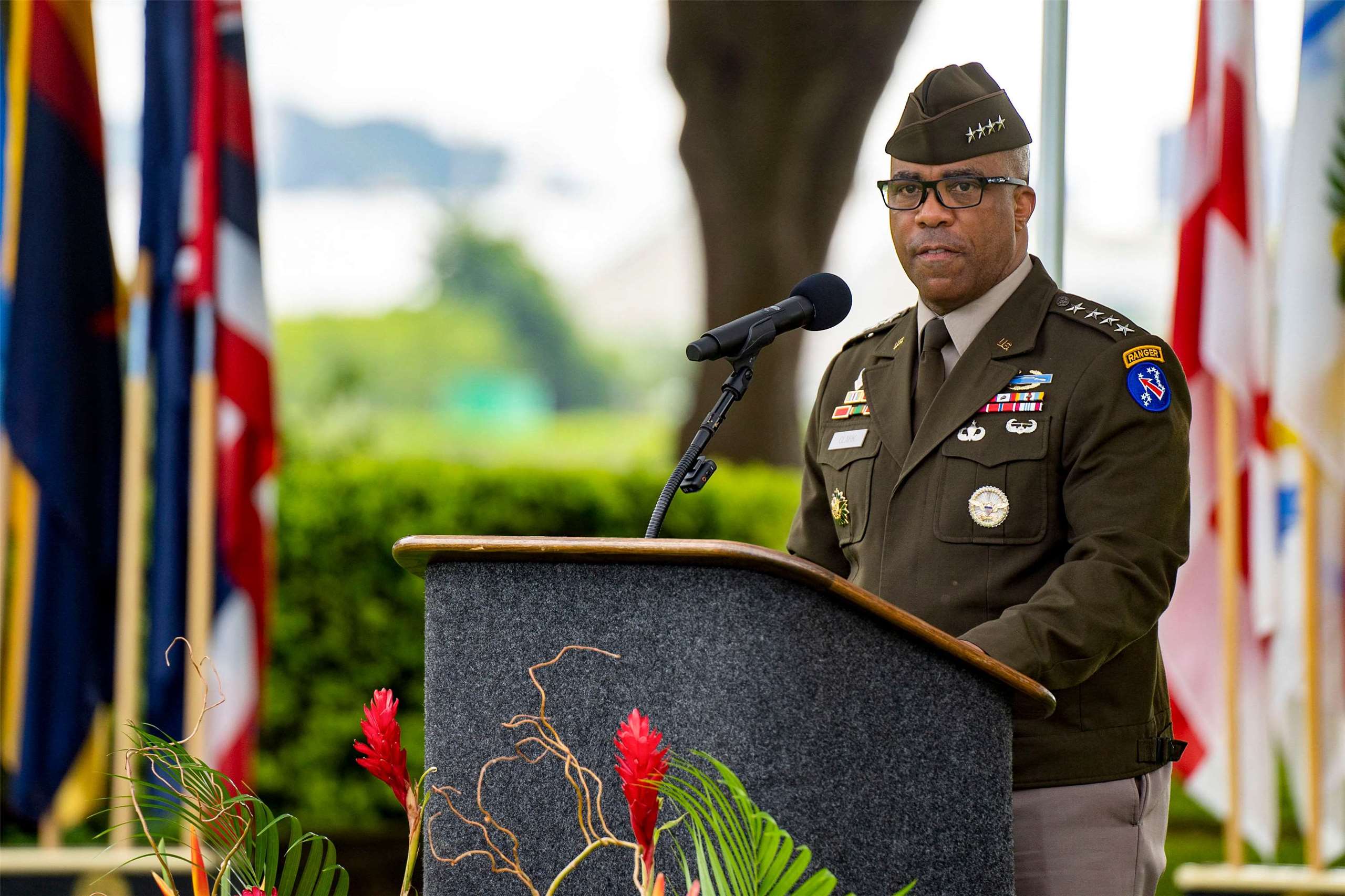
The U.S. Army Pacific has prepositioned forces across the Indo-Pacific theater on the assumption that China could have the capability to seize Taiwan by force by 2027 and may even intend to act. That came from U.S. Army Pacific commander General Ronald Clark on Tuesday, October 27.
According to the U.S. military newspaper Stars and Stripes, Clark told an audience at the TechNet Indo-Pacific conference in Honolulu that the threat defined by the so-called “Davidson windows” is still valid.
In 2021, the then-commander of U.S. Indo-Pacific Command Admiral Philip Davidson told a Senate committee that China was moving toward acquiring the military capability to seize Taiwan by force before 2027. The six years leading up to 2027 has become known as the “Davidson window.” Davidson’s assessment influenced U.S. defense planning and strategy in the Pacific, with the aim of deterring or obstructing a Chinese invasion of Taiwan.
In 2023, former CIA Director William Burns said that according to U.S. intelligence, Chinese President Xi Jinping (習近平) had instructed the CCP military to be ready to successfully invade Taiwan by 2027.
However, an annual assessment released by the U.S. Office of the Director of National Intelligence (ODNI) this year said the threat to Taiwan is not imminent. The report stated that Chinese leadership was not planning to invade Taiwan in 2027 and that there was no fixed timeline for achieving “unification.”
Clark said at the Honolulu conference that the “Davidson window” is still relevant to U.S. Army Pacific. Its strategic approach to preparing the theater is called Army Ready Forward, and involves rotationally positioning equipment, materiel, and personnel on island chains close to China.







 /