Search
Featured Programs


 Programs


How do you remain compassionate toward someone in distress while making sure their fear, anger, or uncertainty does not influence you or the words you interpret?
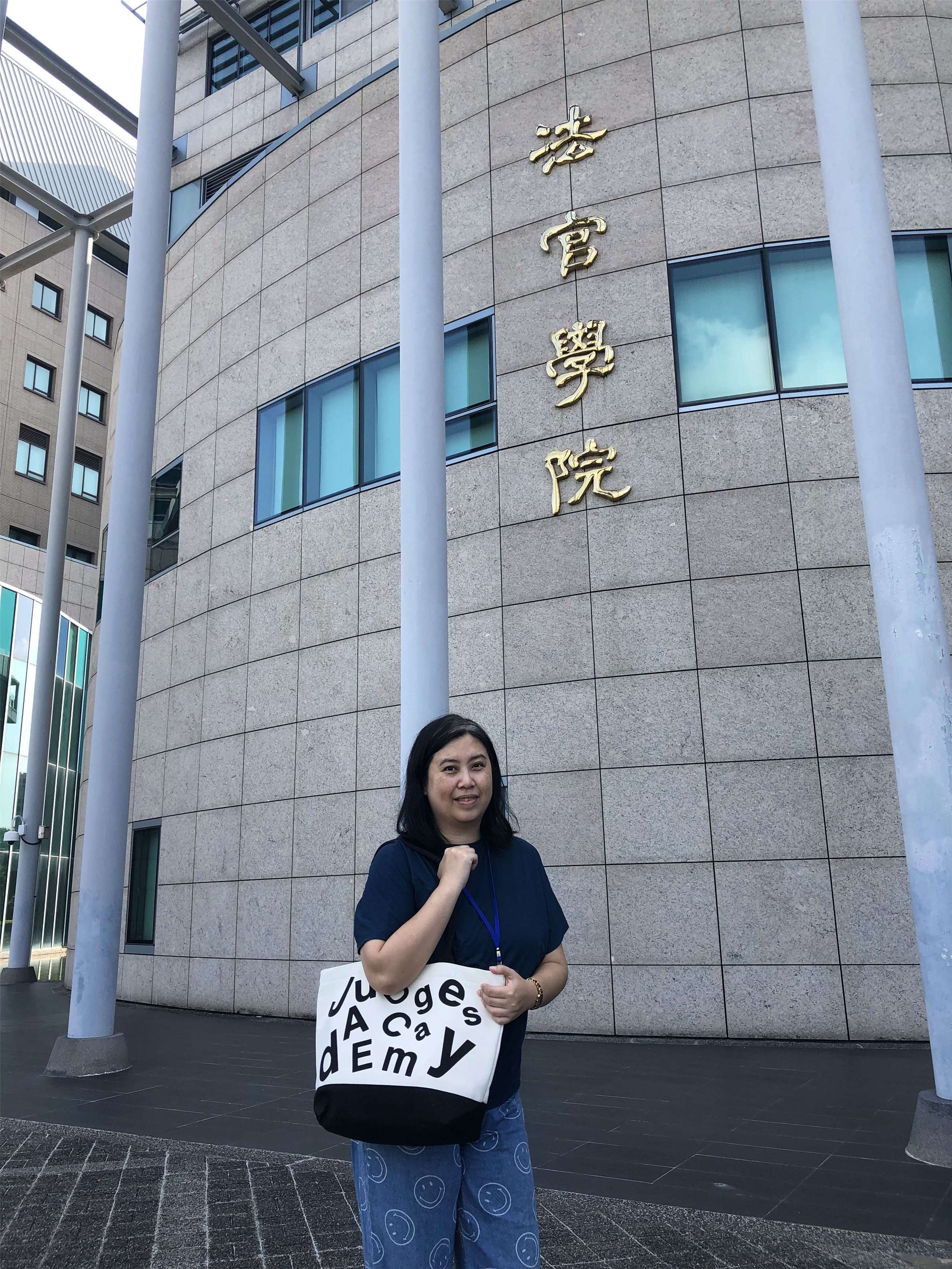
In earlier episodes, English–Chinese court interpreter Angel Kao took us through the unexpected journey that led her into Taiwan’s courts and revealed why the work demands far more than fluency. From unfamiliar legal terms and intense concentration to responsibilities and risks that often remain unseen, her story introduced us to a profession where even the smallest detail can matter.
If you missed those conversations, listen to parts one and two to hear how Angel found her way into the profession—and what really happens behind the scenes of a courtroom assignment.
Today, Mary Anne Sioco turns to the deeply human side of court interpreting. Angel reflects on the delicate balance between empathy and neutrality, explains why cultural context can change the meaning behind seemingly simple words, and considers whether technology could ever replace the judgment of a human interpreter.
She also shares what she believes needs to change within the profession, what aspiring interpreters should understand before entering the field, and how six years in Taiwan’s courtrooms have transformed her idea of success.
Tune in as we move beyond words and discover what it means to help someone be heard—without losing your own boundaries, judgment, or humanity.








 /
 Listen